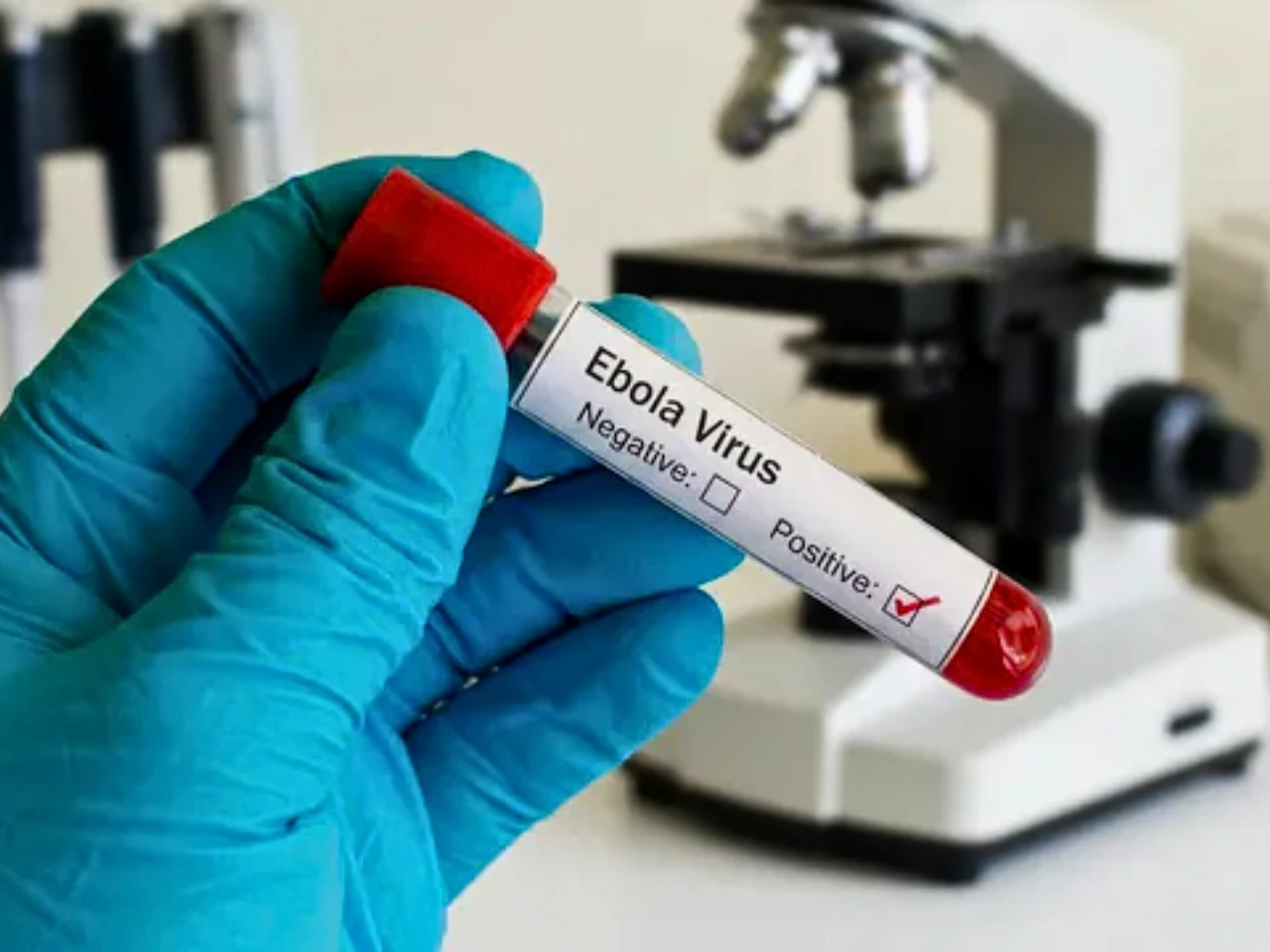
There is a public health emergency situation currently taking place in some regions of Central and Eastern Africa where the Ebola Bundibugyo virus is present. It is considered one of the most serious health threats to both Uganda and the DRC (Democratic Republic of the Congo) as of today. According to the DRC Ministry of Health, there are 101 confirmed cases and 10 deaths due to this virus. The actual number of infected will be much higher than these current numbers because there are about 900 suspected cases and about 220 reported suspected deaths. Therefore, there is an urgent need for improved surveillance systems, enhanced testing capabilities, and a more robust emergency medical response capability within communities for improving public health outcomes.
In Uganda, 2 additional health care workers have recently tested positive for the virus, bringing their total number of confirmed infections to 7, including 1 death. Infected healthcare professionals illustrate the extreme level of risk that frontline medical personnel face during the course of an Ebola outbreak, highlighting the necessity for adequate personal protective equipment, timely diagnosis, and rigid infection control procedures. Many international health organizations and respective partner organizations are continuing to enhance their response capabilities in both DRC and Uganda. As investigations and testing continue, health authorities now anticipate additional cases related to the infection will continue to arise over the next few days and weeks. The rapid identification of infected individuals as well as the immediate identification and tracking of all those individuals that have had contact with an infected individual will be crucial to controlling this outbreak. When you get treated early, it will reduce the chances of the virus spreading further, and if you get treatment early, you will likely have a much better chance of being treated successfully, as opposed to waiting until you have more severe symptoms.
The current outbreak demonstrates our global interdependence with respect to the public health of the world; therefore, we need to work collaboratively to develop better-prepared communities around the world to reduce the spread of other infectious diseases that threaten to become epidemics or pandemics.