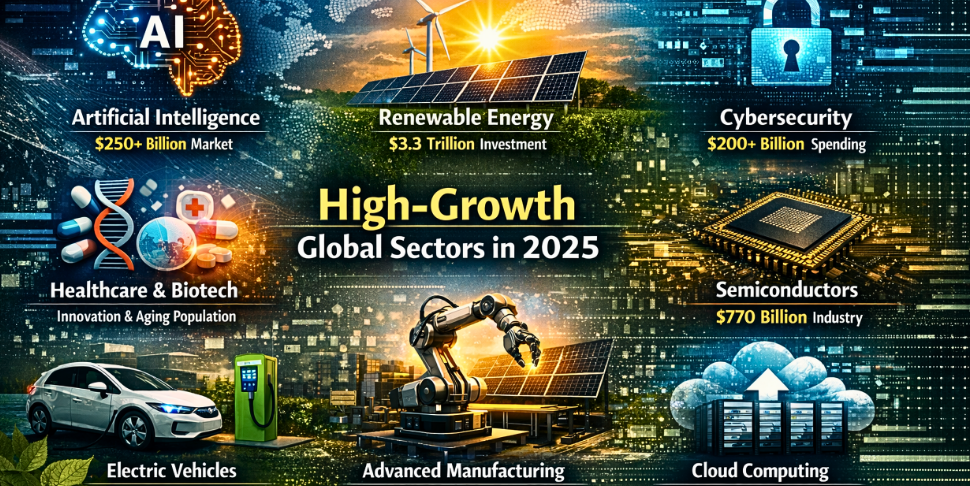
Jobs at the Forefront: World Bank's Strategy for a Resilient Global Economy
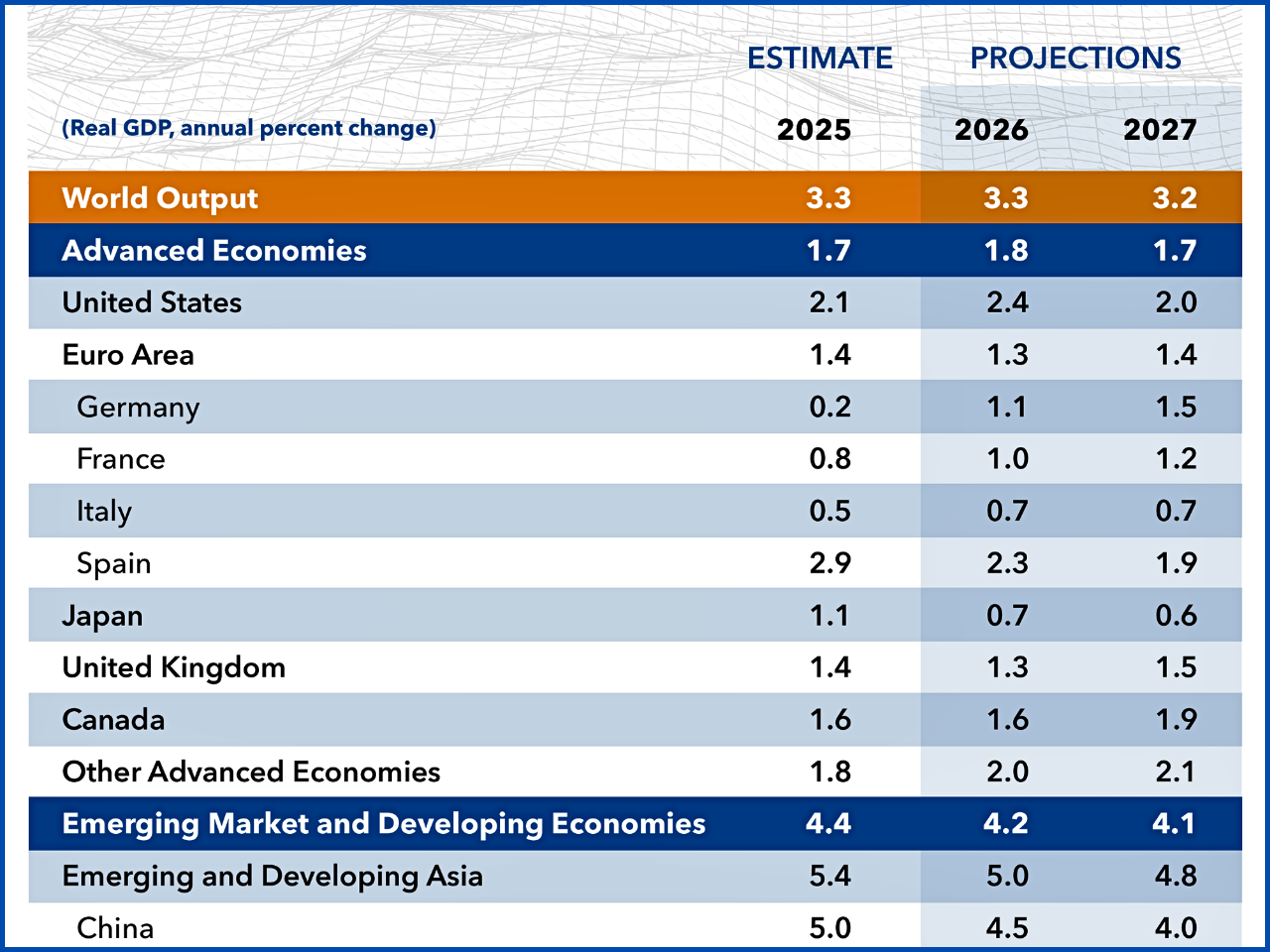
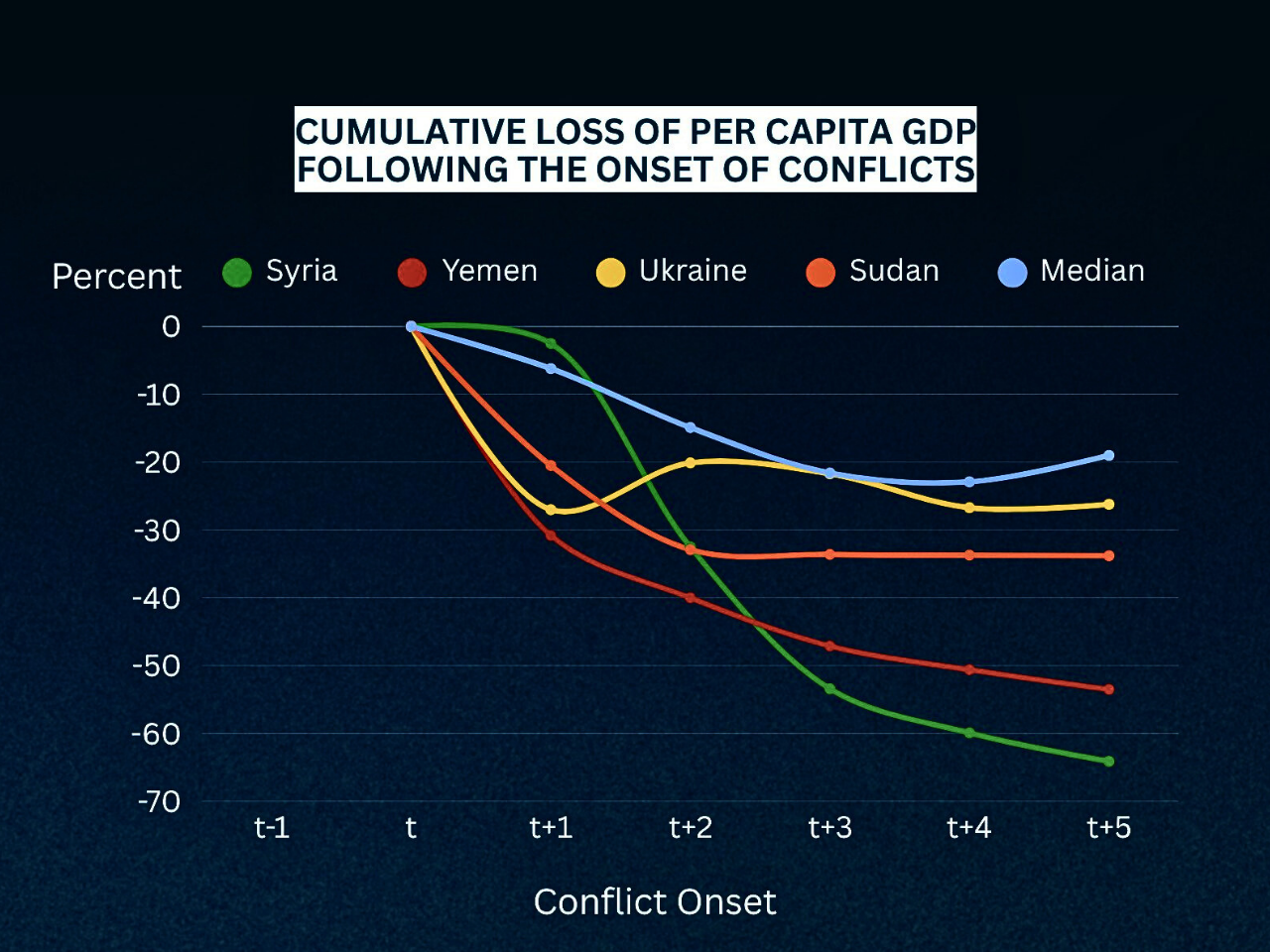
General economic losses. Uncertainty prevailed globally throughout 2025 due to conflict, distressed economic conditions, and dramatic climatic changes impacting social and governmental systems, with a lot of activity occurring during the year putting tremendous strain on these institutions of society. While developing economies faced barriers due to financial pressures from growing debt, high trade and tariff barriers, and sudden capital outflows, global economic growth turned out to be stronger than expected. This was driven by broader trading tactics, advancements in technology like AI, more flexible regulations, and greater solidity in the energy sector, leading to an overall growth rate of about 2.7% for the year.
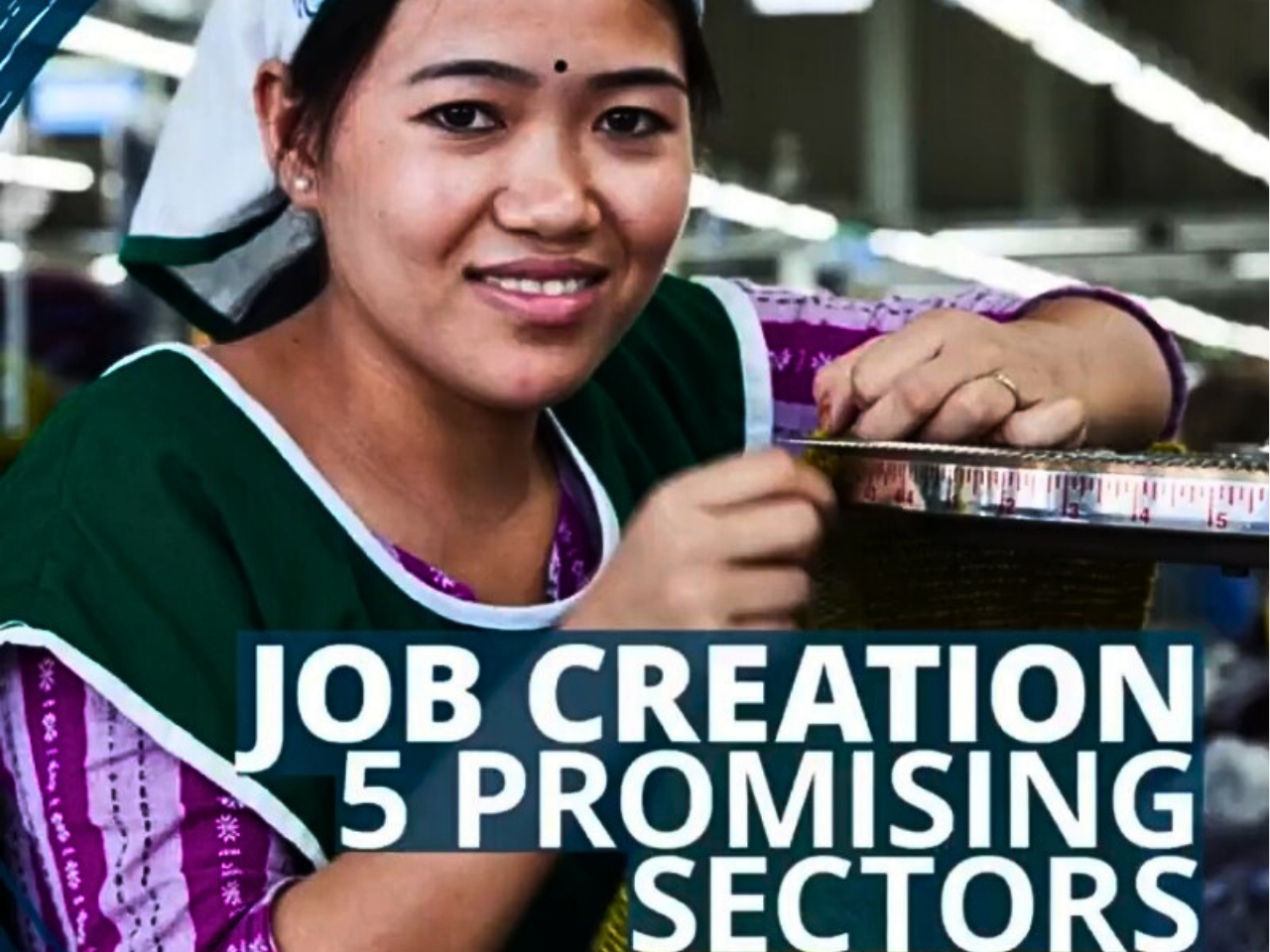
The World Bank Group has declared an emphasis on job creation. It has been announced that 2025 will be the Year of Jobs, with a focus on making jobs the primary means of alleviating poverty, building social solidarity, and creating sustainable, resilient economies. With an estimated 1.2 billion young people aged 15-24 expected to enter the workforce from developing regions during the next 10 years, this is a very significant time for the World Bank to emphasize creating jobs. Job creation will help to spur economic growth; without adequate job creation, there will be greater potential for social disruption and civil unrest, and potential mass migration. In order to implement the above concept, the World Bank Group has focused on five key industries in which there is great potential for creating employment opportunities: the energy and infrastructure sector, agriculture and agribusiness, health care, tourism, and manufacturing. Each of these sectors is interconnected with the other and supports the creation and development of many job opportunities and a broad-based development strategy. The two most important things that drive our economy are energy and the infrastructure necessary to transport energy to people so that they can be connected to the market and provide productivity to their daily lives.
Unfortunately, even today, in many parts of Sub-Saharan Africa, there is no access to reliable and affordable electricity, which represents a huge challenge for over 100 million people across the continent. To address this issue, the World Bank Group and the African Development Bank have partnered to create Mission 300, with a focus on connecting 300 million people to electricity by the year 2030. These early results have demonstrated significant progress toward achieving this goal and demonstrate that while millions of people are gaining access to electricity, many governments are undertaking reform initiatives that will change how they do business in their energy sector. Agribusiness is another significant player, as it employs a large percentage of the world’s labor force in developing countries and provides the basis for the food security of the world. Unfortunately, due to the inability to finance, market, and use technology effectively, many smallholder farmers are faced with continued generations of poverty. The AgriConnect initiative has been created to support smallholder farmers in their transition from subsistence farming to being able to produce a surplus that can be sold in the marketplace. The AgriConnect initiative builds upon existing programs and initiatives that have already improved food security for hundreds of millions of individuals and provides the guarantee to substantially increase investments in the agribusiness sector by the year 2030. Additionally, as a social good but also as an economic engine, healthcare is a key driver of economic growth through the development of healthy people who can work and learn, while creating jobs to lower the unemployment rate in other sectors. The World Bank Group has established a target to provide quality, affordable health care for 1.5 billion people by 2030 through working with partners across the globe via health compacts to set the standard for the systems of delivery within each nation’s economy through joint financing with other health organizations; the feedback thus far has resulted in hundreds of millions of people receiving healthcare, and now, through the scaling efforts to implement effective primary-care systems that have proven to improve outcomes and create jobs for the unemployment rate.
Furthermore, tourism has developed significantly as a source of decent jobs for many women and is, therefore, a major employer of women in most developing countries, with a large portion of GDP and employment already attributed to tourism. In addition, it is anticipated that tourism will continue its upward trend over the next decade. The World Bank Group has worked through various targeted initiatives to promote sustainable tourism, including the advancement of small and micro enterprises and local entrepreneurship, which has resulted in thousands of new jobs and has enhanced the economic state of millions in countries such as India and Madagascar. As the global economic development continues to progress, jobs will be created at all levels of skill, and the number of imported goods will be reduced to preserve a balance in trade and services. The IFC of the World Bank Group offers a range of financing and advisory services to support the development of manufacturing in emerging markets. A sizable amount of recent investment has created hundreds of thousands of jobs, created domestic supply chains, and supported an increase in government revenues. In the future, the World Bank Group has stated that the need for an effective establishment of strategic partnerships and the full mobilization of private capital is necessary to achieve these objectives. During 2025, private capital mobilization was bolstered significantly, and total commitments to investments were at an all-time high; additionally, efforts toward qualifying companies to receive guarantees and providing them with greater access to lower barriers of investment were also heightened. While there remains a measure of risk to investors, the year demonstrated resilience generated through reform, investment, and partnership. As the global economy moves toward 2026, the World Bank Group will continue to focus on “smart development” as a means of delivering a future that is resilient and sustainable. At the center of this approach is job creation, resulting in measurable and transformational development outcomes that will provide the foundation for a more secure, sustainable, and prosperous future.
Nilarani, Master of Economics, Univesity of Madras-Madras
Free To Activate Membership