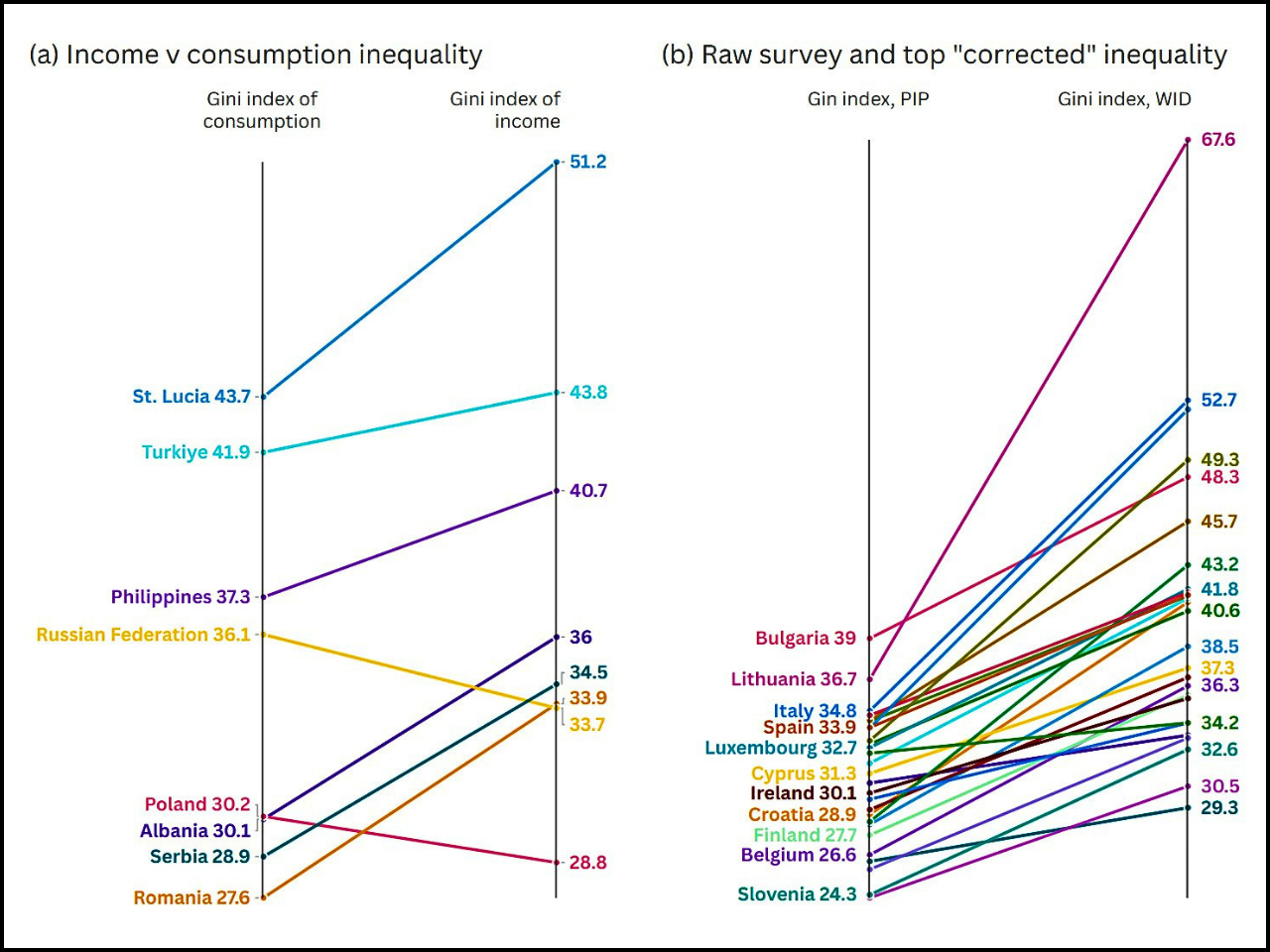
The World Bank Group is further enhancing its broad commitment to reducing extreme poverty by making available finance, policy knowledge, and evidence-based approaches so that countries with challenges on inequality, low growth, and other institutional difficulties facing rising economic and social uncertainty will be adequately assisted. Instead of only traditional financing, a new mix of mechanisms is now employed with an aim to reinforce governance structures, enhance the efficiency of public institutions, and generate future employment opportunities leading to greater resilience of countries.
By providing evidence-based policy development involving research and innovations, the World Bank informs countries toward better development performance. With such tools, the World Bank is not only making targeted support to the poorest and most vulnerable regions in terms of certain mechanisms (like the International Development Association) that assist regions most vulnerable to the effects of conflict and insecurity, but it is also showing not only the necessity of combining economic growth and development with environmental development through extending commitments for growth responsibly and sustainably but also the importance of doing so.
The development of durable solutions to reduce inequalities and expand the shared prosperity of the members of the World Bank is possible through the mobilization of international cooperation and strategic investments. The ongoing efforts of the World Bank to shape the global future by demonstrating the importance of collective action to meet the most pressing challenges to the development of the globe reaffirm the necessity of the global community acting collectively to create a better future.