The world is experiencing a grave food security crisis. Although we see steady production of the main grain crops, what we are seeing is a rise in global food and nutrition insecurity, which is due to a complex mix of political and economic issues related to climate and also input costs, which are on the rise. The World Bank’s report, released in May 2026, describes a food and nutrition security system at a breaking point. Key to world trade, which, in turn, has caused price jumps in the agriculture supply chain.
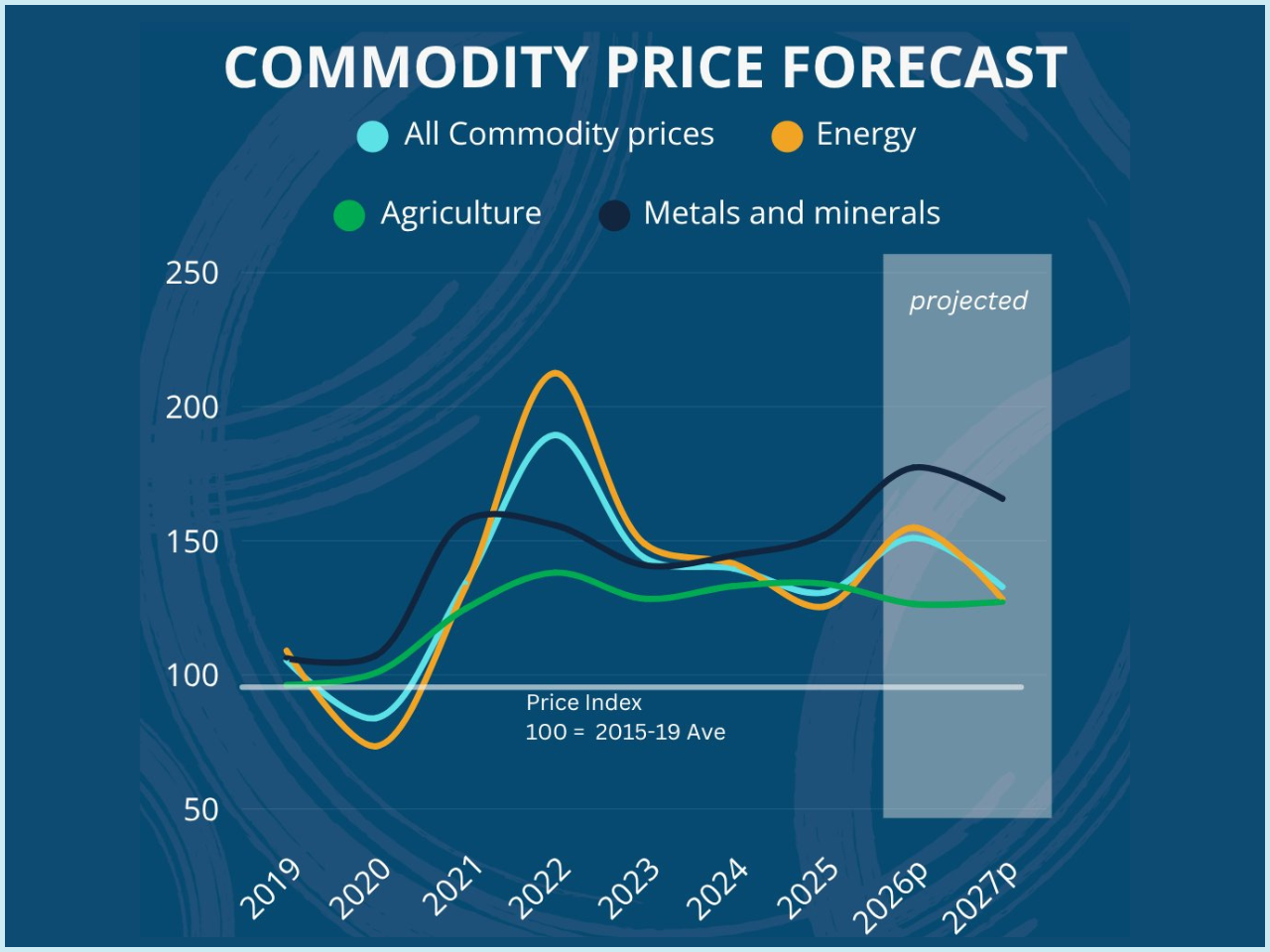
Urea prices, which are a key element in nitrogen fertilizers that farmers use for food production, saw a 46% increase month on month as a result of these disruptions. Also, agricultural price indices went up by 8%, which in turn has raised serious issues related to affordability, which will mostly affect low-income countries. The World Bank’s Commodity Markets Outlook reports that fertilizer prices will go up by an average of 31% in 2026, which will see the greatest impact since 2022. Also, for the smallholder farmers in developing countries, which operate on very thin margins, this may mean they will plant less, harvest less, and, in turn, feed fewer people.
Since the turn of 2026, we have seen global grain markets react. Agricultural and cereal price indices have gone up by 3% and 4%, respectively. Maize prices saw a 5% increase and wheat prices a 10% rise, which, for billions of people out there, are basic staples. Also, when looking at it year on year, the picture is very clear. We see wheat prices up 19% and maize at 5%, which is also a large-scale issue. Compared to January 2020, which was the pre-pandemic point, we are at 23% above for maize and 18% for wheat.
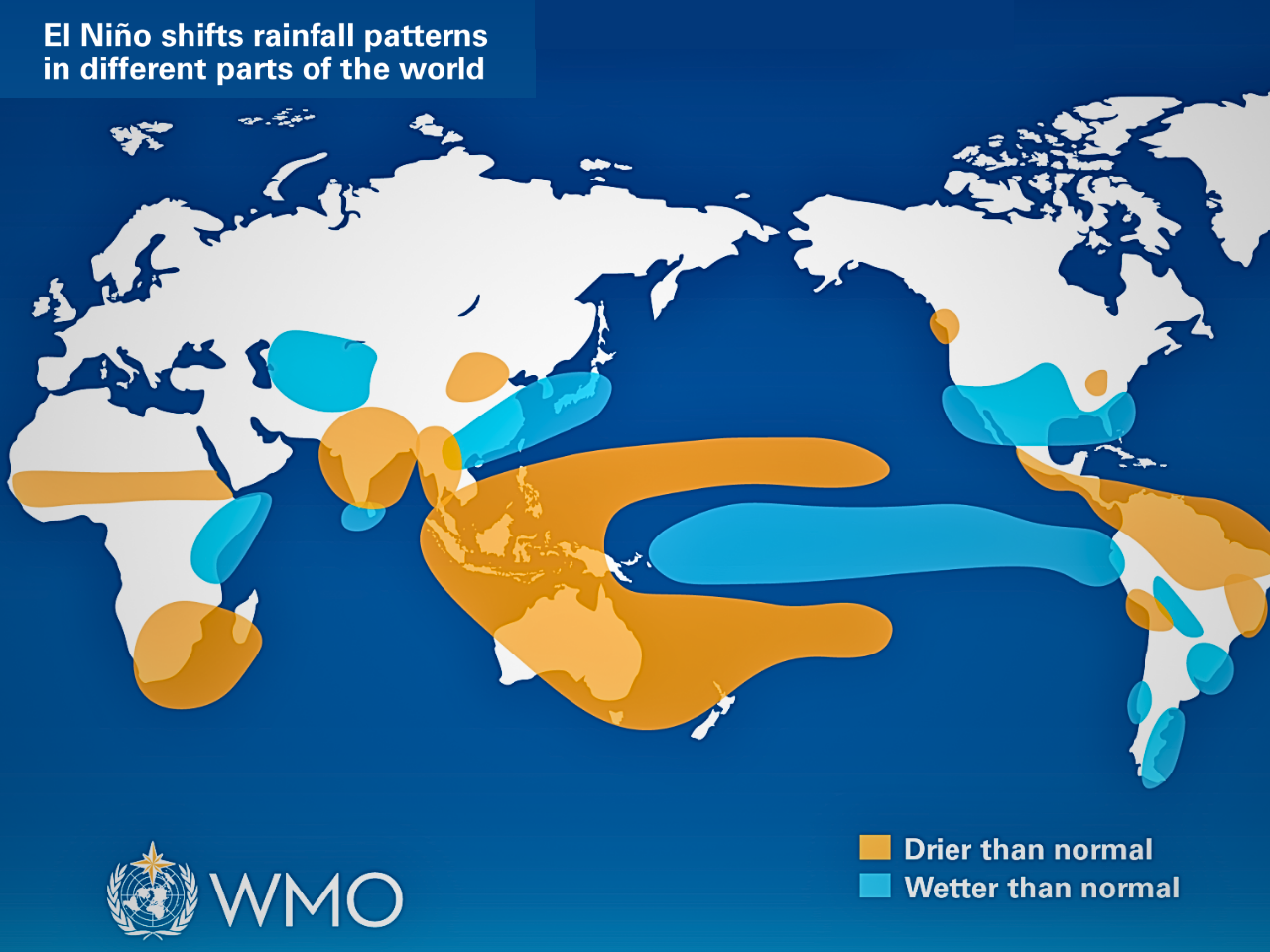
Rice is still a bright spot, down 5% in recent months and 6% year-on-year, which doesn’t do much for regions that are almost exclusive to wheat or maize. Also at issue is a growing climate issue. We see a 61 to 87% chance of El Niño emerging by mid-2026 and lasting into 2027. This will very much put a dent in crop production in South Asia, Southern Africa, and parts of East Asia, which together feed hundreds of millions of people. Also very critical is that in affected areas rice output may drop 20 to 50%, which is an unprecedented drop that will stress global supplies and push prices up in Asia and beyond.
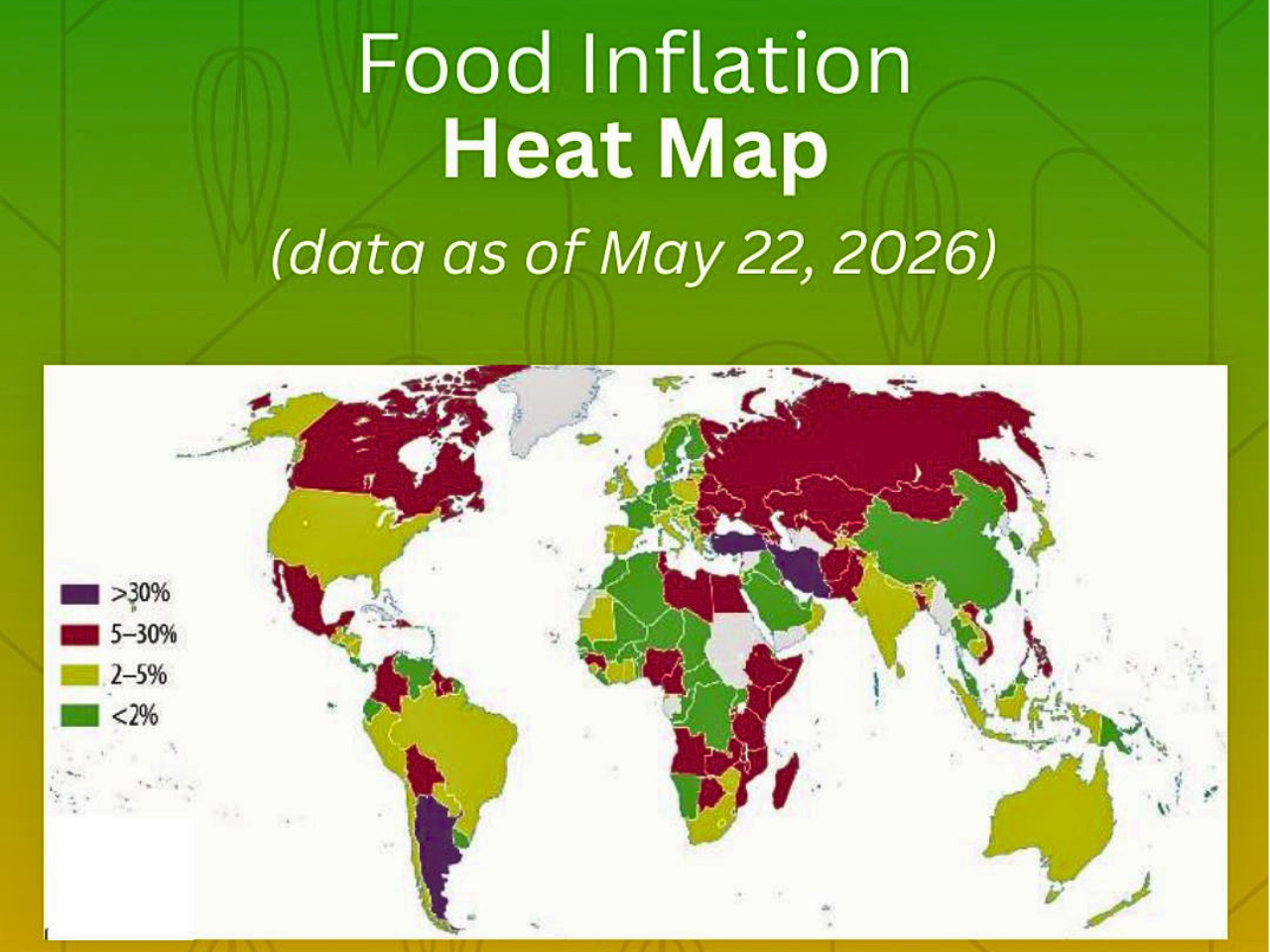
Behind the data is a human story of hunger. In East and Southern Africa, up to 67 million people require food aid. West and Central Africa, which is a large expanse of 52.9 million people, reports very high food insecurity for June to August 2026, which is the time between harvests when we see food supplies run out. At the household level the crisis is playing out. Between January and March 2026, food price inflation was still high at home for global players. In low-income countries, things got worse, with the share of countries reporting food inflation over 5 percent growing from 40 to 45 percent.
In many cases, food price inflation outpaced overall inflation in 14 out of 148 studied countries, which in turn is degrading the purchasing power of the world’s most vulnerable. We see a coming together of conflict, which has an impact on fertilizer supplies, climate instability, and persistent food price issues, which present a great issue for policymakers, humanitarian organizations, and food systems. International coordination on issues of fertilizer access, agricultural finance, and food aid will be key to ensuring that we don’t see a manageable crisis blow up into a full-scale catastrophe.