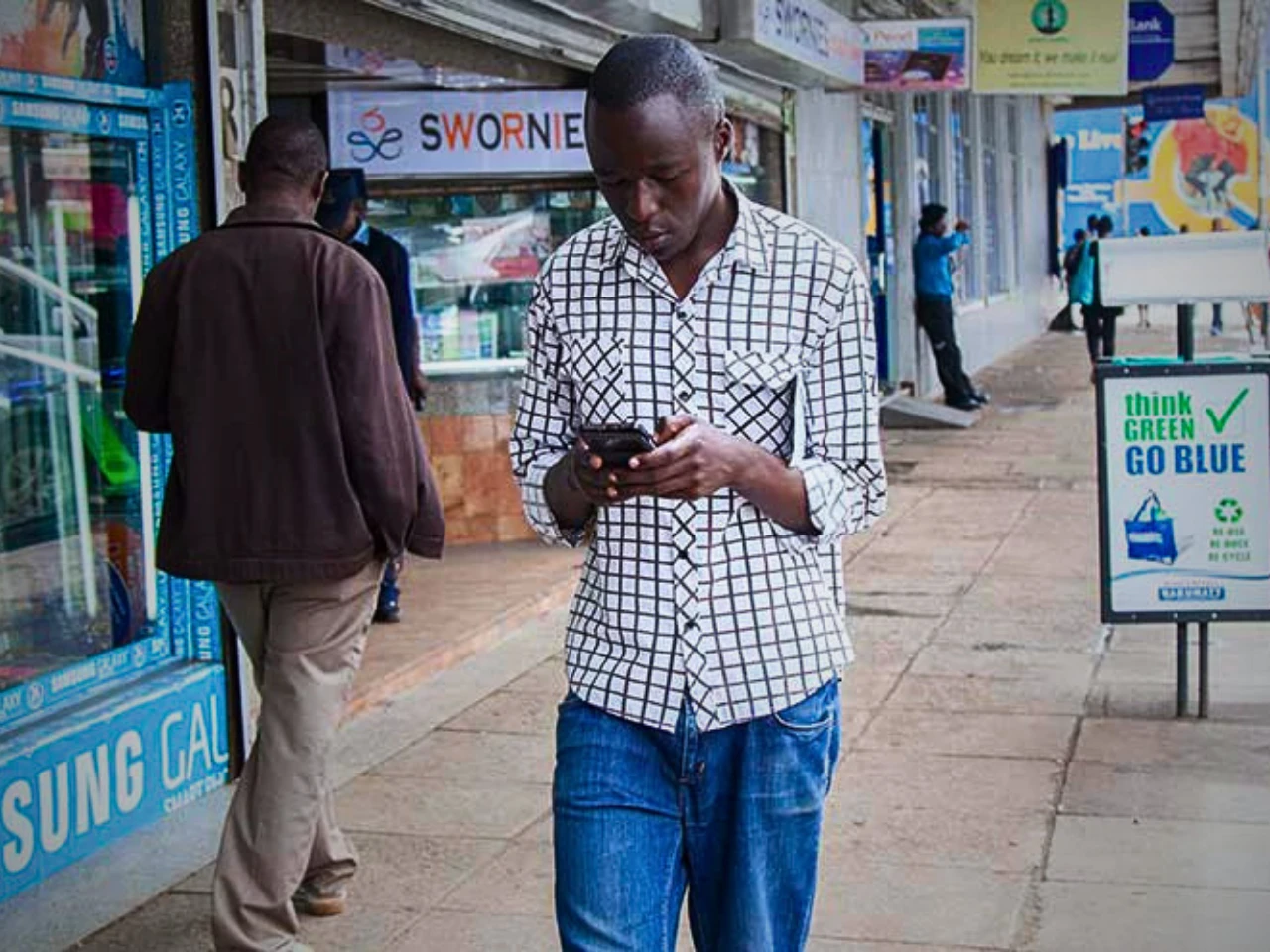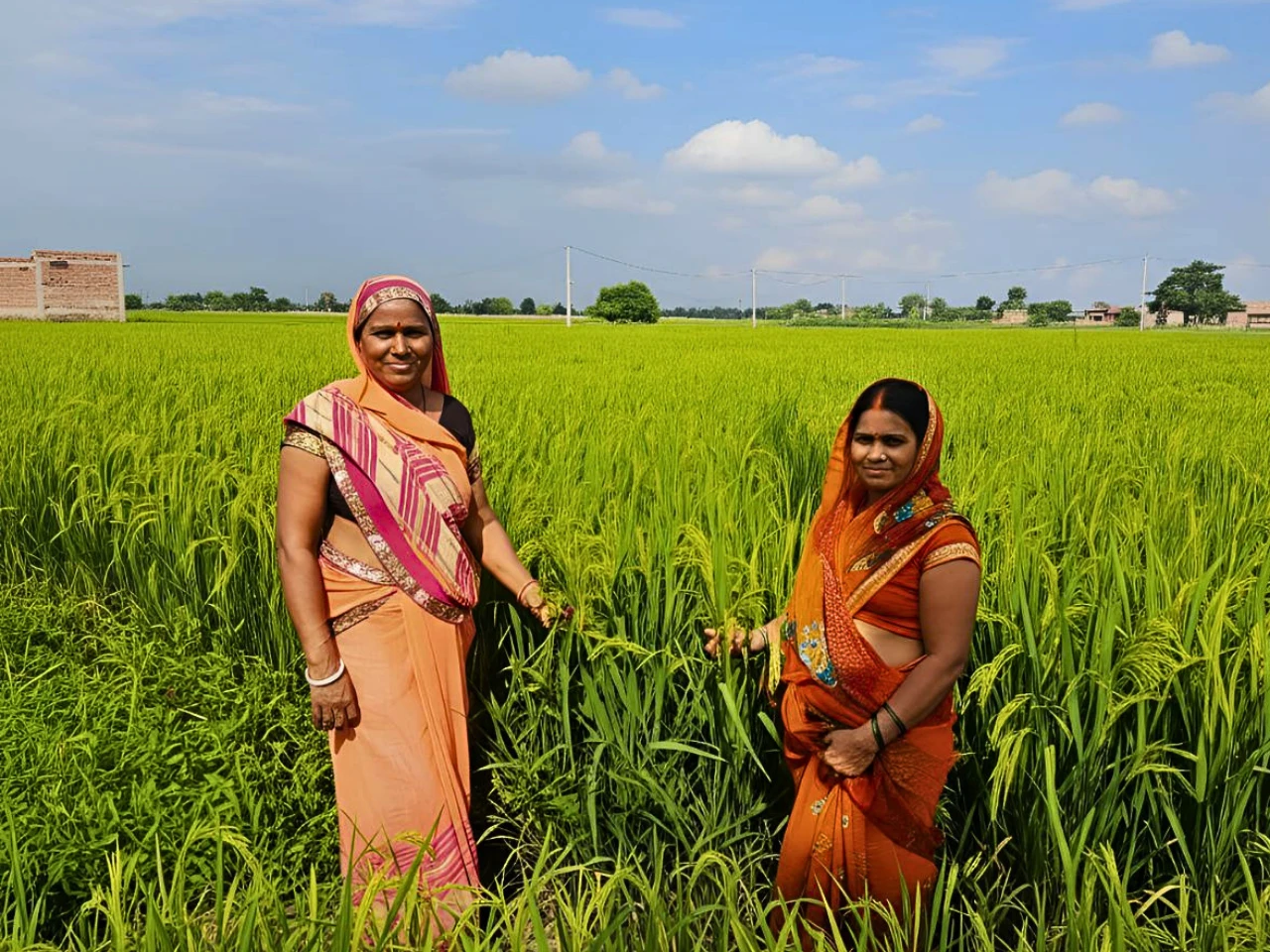
Climate change will have an adverse effect on the world’s poorest populations, who rely on agriculture, because it will put more strain on the world’s food systems. Rising temperatures, erratic rainfall, droughts, and floods mean that traditional, rain-fed farmers will have a more difficult time sustaining their income than ever before. Farmers using climate-resilient irrigation, however, have revealed an approach to producing greater quantities of food through reduced amounts of water and land. Compared to traditional rain-fed agriculture, farmers using climate-resilient irrigation can produce more food in less time and feed an estimated additional 1.4 billion people by 2050. As the world's population grows in the next 30 years, the need for sustainable irrigation to provide food security and strength becomes vital. Examples of farmers benefiting from using climate-resilient irrigation abound across the globe. For instance, in Senegal, farmers can now grow crops all year long because of better access to water, including during dry seasons. Modern irrigation methods in Turkey have replaced inefficient methods of flooding crops. Improved irrigation systems are resulting in higher yields, greater food production, and increasing abundance among farmers. Such improvements ultimately clear the way for reducing water-related stresses on farmers' ability to grow crops, diversify their crops, and maintain a stable food price. Farmers in rural areas are therefore able to achieve their financial independence from poverty. The Mekong Delta in Vietnam is a region heavily reliant upon rice farming (the ‘Rural Bowl’). However, the water-based nature of rice farming causes another issue for Vietnam, as floods that continue to release methane gas, a greenhouse gas that adds to these problems for one of the world’s most climate-vulnerable nations. There are currently about 1.4 million rice-farming households in the area, and parts of the Mekong Delta are facing drought, flooding from saltwater intrusion, and rising sea levels. Using climate-smart agriculture techniques, the Sustainable Agriculture Transformation Project (SATP) of Vietnam will reduce water and methane emissions while improving environmental conditions. Several techniques will be used to do this, such as alternate soaking and drying, which will enable farmers to occasionally allow a section of their fields to dry out for brief periods of time without endangering the crops that provide their livelihoods. Sensors and smartphone technology will also allow farmers the ability to manage their irrigation precisely, thereby helping improve yield, lower costs, and generate higher incomes. Since the program has already resulted in a reduction of approximately 1.5 million metric tons of CO₂ equivalent, Vietnam has plans for further expansion of these practices by an estimated area of 1 million hectares by the year 2030.
Continue reading this executive analysis
This in-depth analysis is available exclusively to EP Prime members. Subscribe to unlock the full article and enjoy ad-free reading.