Data Centre Boom Sparks Energy Crisis: Power Companies Scramble to Meet Surging Demand

The increased data centre construction across the world is introducing enormous transformations in the electricity market and how the power companies design their operations. With artificial intelligence and electronic services becoming a key to economic development, national security, and innovation, the demand for stable electricity is gaining momentum at an unprecedented speed. Companies that generate energy are fast scrambling to increase production lines and update infrastructure to facilitate this digital revolution.
The level of investment explains the greatness of the transformation. It has been projected in the industry that capital outlay on data centres may approach approximately 7 trillion dollars by 2030, of which approximately 1.3 trillion dollars will be used in power generation, cooling equipment, and electrical equipment. Data centres are increasing electricity consumption four times faster than all other sectors and putting a strain on the current grids. In Ireland, data centres already represent approximately 20 percent of national electricity consumption, as the example of the digital infrastructure redefining energy demand shapes up that speedily.
It is challenging to provide such an amount of power. The international constrained availability of key elements has reduced new undertakings, with things like transformers currently experiencing backlogs of over three years of orders, as opposed to a few months in previous years. Large technology companies are also paying upfront to reserve generation and equipment to assure future capacity.
The most required has turned out to be reliability. Innovative data centres are aimed at 99.999 percent availability, with a maximum of eight minutes of loss of service annually. To this end, numerous operators are embracing the concept of a decentralized power model, which involves the deployment of several small gas turbines, an uninterruptible power supply, and onsite backup power generators. Areas where grids are volatile face the possibility of losing investment, with the areas that are reliable with the grids being centers of new plants. Another factor that is emerging is cybersecurity. With the increased use of digital control systems by power plants and renewable systems, it is critical to ensure that these systems are not vulnerable to cyber-attacks to ensure continuity in operations. There is also a need to have powerful cyber defenses in the backup generation and battery storage system to operate whenever necessary.
The blistering development of data centres is thus not only a race of technology but also an energy challenge. The effectiveness of electricity providers will dictate the rate of digital and economic development in the future of the world.
Latest News
EU's Zero Pollution Action Plan: Aiming for a Toxic-Free Environment by 2050
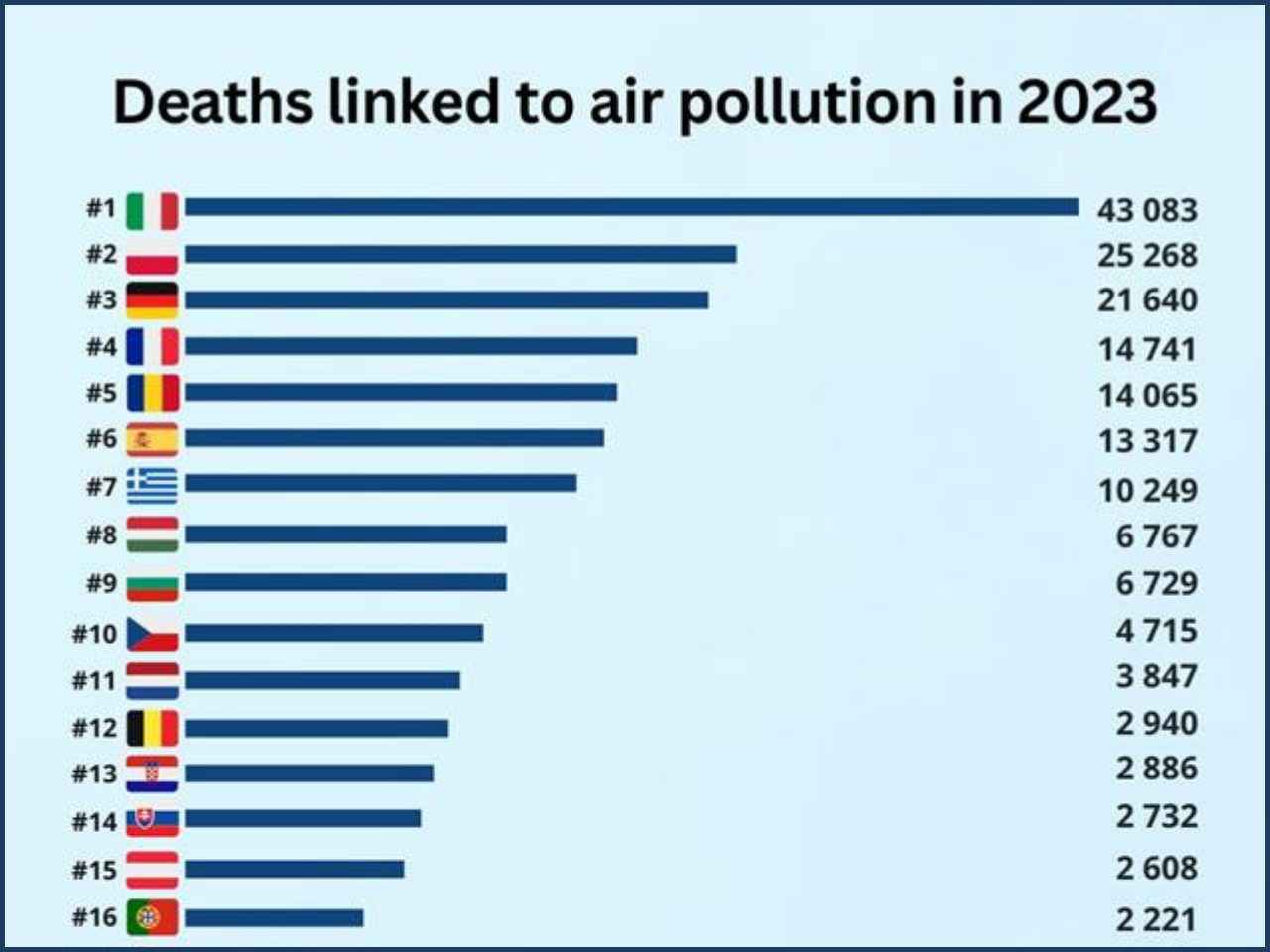
The European Union’s “Zero Pollution Action Plan” will strive to achieve an environment without toxins by decreasing air, water, and soil pollution to levels that have no effect on human health or the ecosystems’ ability to function properly and provide vital services (e.g., storing carbon or filtering pollution). The plan includes significant targets for progress toward 2030, including a 55% decrease in premature deaths caused by air pollution.
Global Gas Market in Flux: Prices Diverging as LNG Trade Shifts
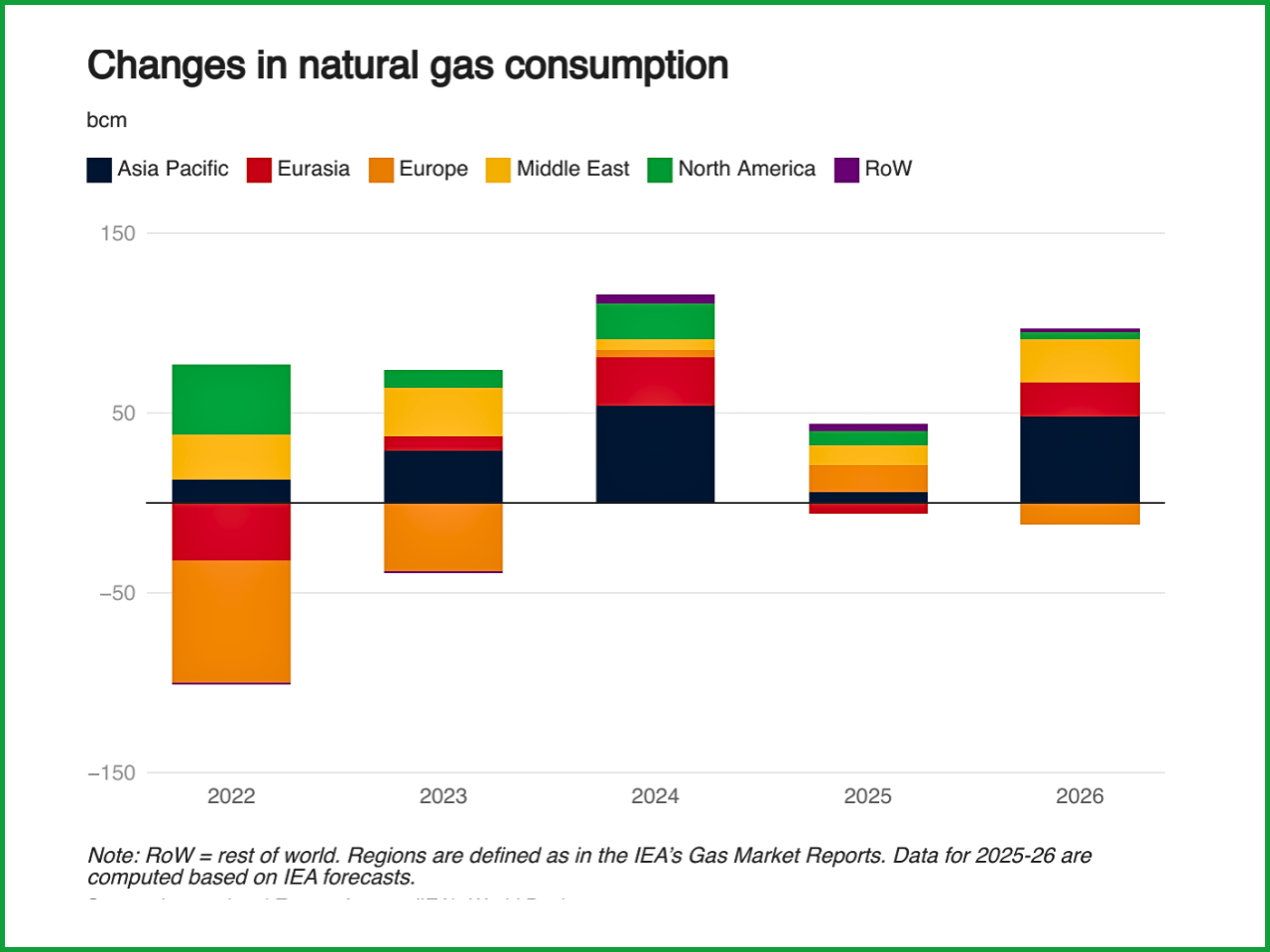
The World Bank’s gas price index went up slightly, but the trend in prices looks very different depending on where you live. In the United States, natural gas prices kicked up above $5/mmbtu for the first time in three years due to cold temperatures and, on top of other things, increased LNG shipping over to Europe. Throughout Europe, prices for natural gas fell again this week, reaching an all-time low since early 2024 based on declining demand and increasing volumes of LNG imports.
Pension Systems in Crisis: OECD Report Reveals Challenges and Opportunities for Reform
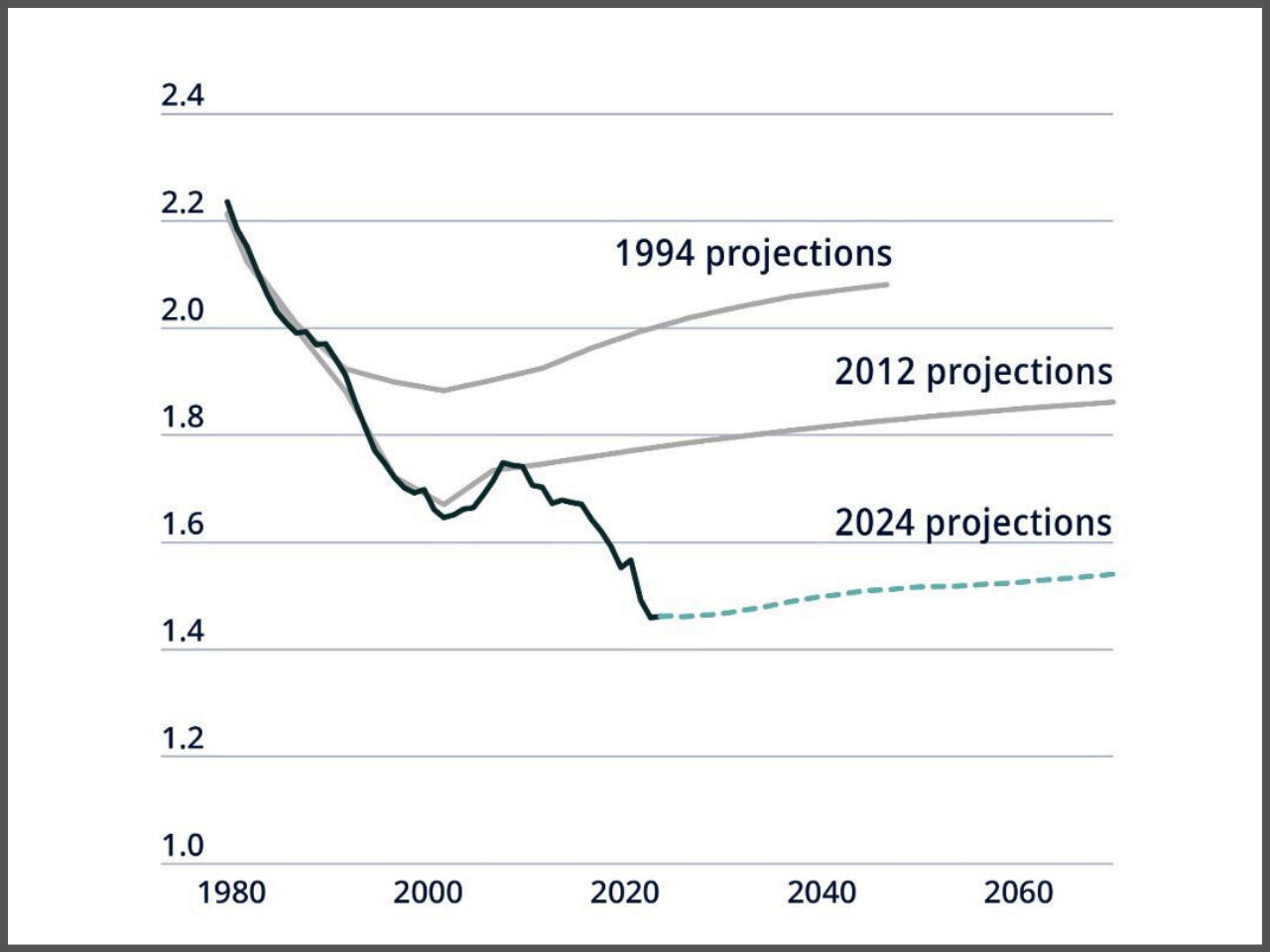
Pension payments offered to future workers are estimated to be about 63% of net wage earnings on average across the world, but there are significant variations between different countries. Women continue to receive monthly pension payments that are roughly 25% lower than the amounts received by men. Imbalances in employment availability for jobs, hours worked per week, or base salary are major contributors to the lifecycle earnings differentials that create the overall pension gap.
India's Economic Resilience: A Beacon of Hope in Turbulent Times
The Union Budget 2025-26 and the Economic Survey of India present a long-term economic plan that would enable the country to focus on internal development and make changes in the face of the unpredictable global world. The policy framework depicts a balance of fiscal discipline, structural reform, and increased involvement in international markets.

Breaking Down Barriers: How Canada Can Boost Productivity and Growth by Reducing Internal Trade Barriers
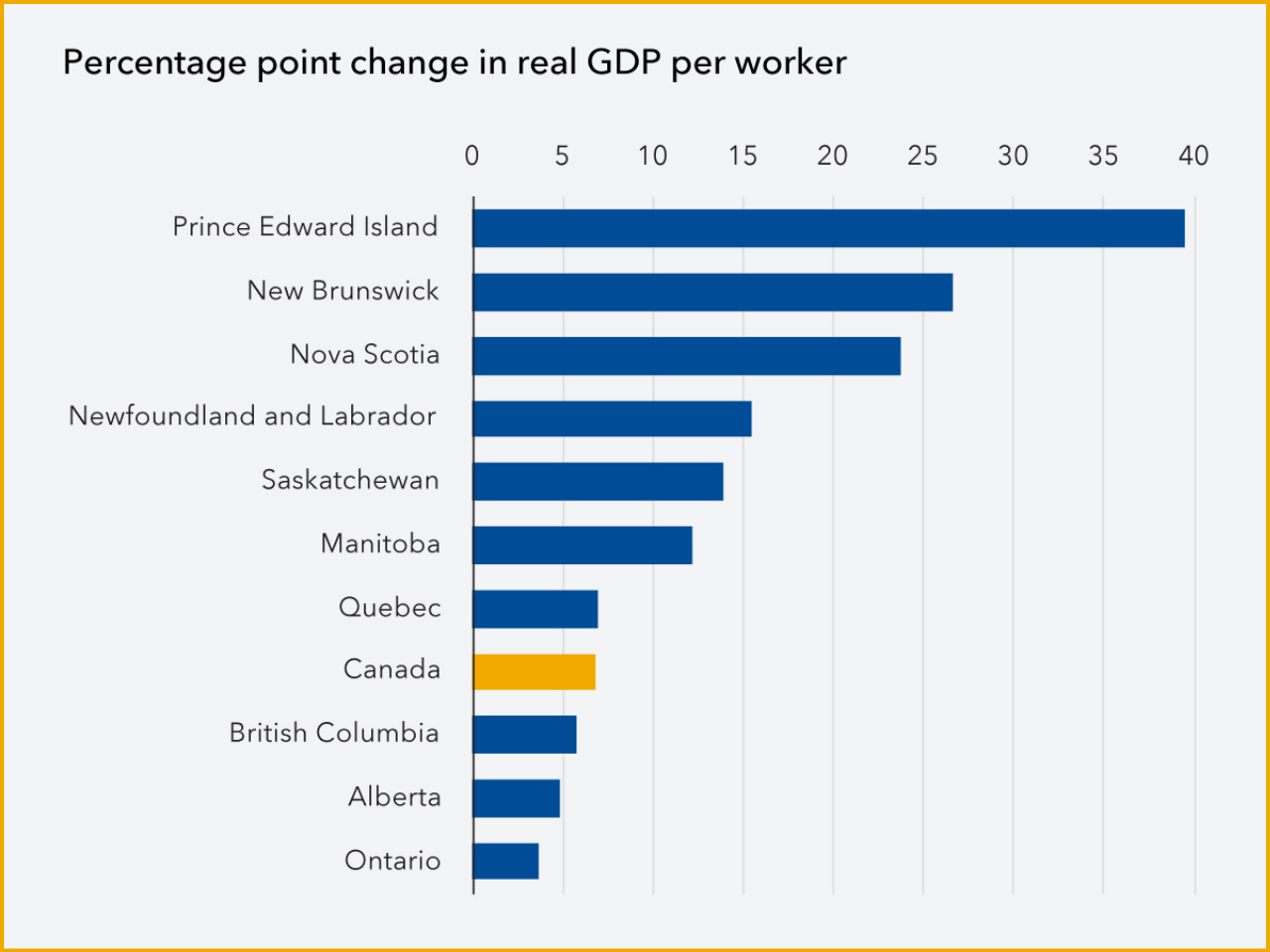
The Canada’s long-run real GDP would increase by an estimated 7%, representing an increase of approximately C$210 billion. Increasing the productivity of firms by removing these barriers would, in turn, stimulate economic development primarily through enhanced productivity, more efficient allocation of resources, increased competition among firms and improved firm growth versus demand increases in the short term.
Monthly Edition