Cybersecurity: The New Frontier in Economic Development

Digital technologies are rapidly changing the ways economies operate and delivering many essential public services, but they are also increasing the number of vulnerabilities that will likely disrupt these essential services and erode public confidence. The ransomware attack that was conducted globally in 2021 and the crisis that occurred in Costa Rica in 2022 are examples of the serious risk that countries face, both economically and institutionally, as a result of weak cyber-resilience. Cybersecurity has evolved from being solely a technical issue that required information technology specialists to being a critical enabler of economic development, national security, and inclusive digital development in today’s world.
The World Bank Group has clearly stated that systems that meet the criteria of being secure and trustworthy are prerequisites for a country that is committed to the successful digital transformation of its economy. The World Bank Group has also assisted countries in developing long-term, coordinated strategies, including supporting reforms in Ghana to create a national cybersecurity authority and improve its ability to respond to security incidents, allowing the country to be viewed as a regional leader. In addition, the World Bank Group’s investments in the Philippines are seeking to increase the resilience of broadband infrastructure by supporting early identification of threats and providing faster response time. Deployed stand-alone technical solutions and fragmented policy frameworks are clearly inadequate when operating in a connected digital realm. A national cybersecurity strategy allows governments to establish their top priorities and appropriate resource allocation and institutional role clarity, as well as alignment between cybersecurity and larger development objectives. This trend of developing national strategies is increasingly being recognized around the globe, as evidenced by the growing number of countries deploying such strategies, as tracked by the International Telecommunications Union.
This new edition of the Guide to Developing a National Cybersecurity Strategy builds on lessons learned globally and emphasizes risk management, the protection of critical services, sustainable funding, and skills development as key elements of an effective National Cybersecurity Strategy. Ultimately, while strategies help guide the overall approach to achieving cyber resilient development, it is the effective leadership, provision of financing, and implementation of these strategies that will determine whether cyber resiliency programs achieve sustainable development.
Latest News
Philippines Economy Poised for Continued Growth, OECD Report Says
The Organization for Economic Co-operation and Development released a new report showing that the economic rise of the Philippines has continued for 15 consecutive years. The report showed the many opportunities for economic reform in order to continue this growth trend in the Philippines. The report also listed the projected GDP for the Philippines through the end of 2027. They predict that the GDP growth will be 5.1% for 2026 and 5.8% for 2027.

India's AI Revolution: Can Tech-Driven Growth Propel the Country to New Economic Heights
Recent analysis by the International Monetary Fund indicates that productivity growth could increase by almost 40 percent if the country manages to remove impediments that bar the expansion and creativity of firms. This would be economically meaningful, a boost to scale equal to adding the output of one of India's largest state economies to the national production every decade.

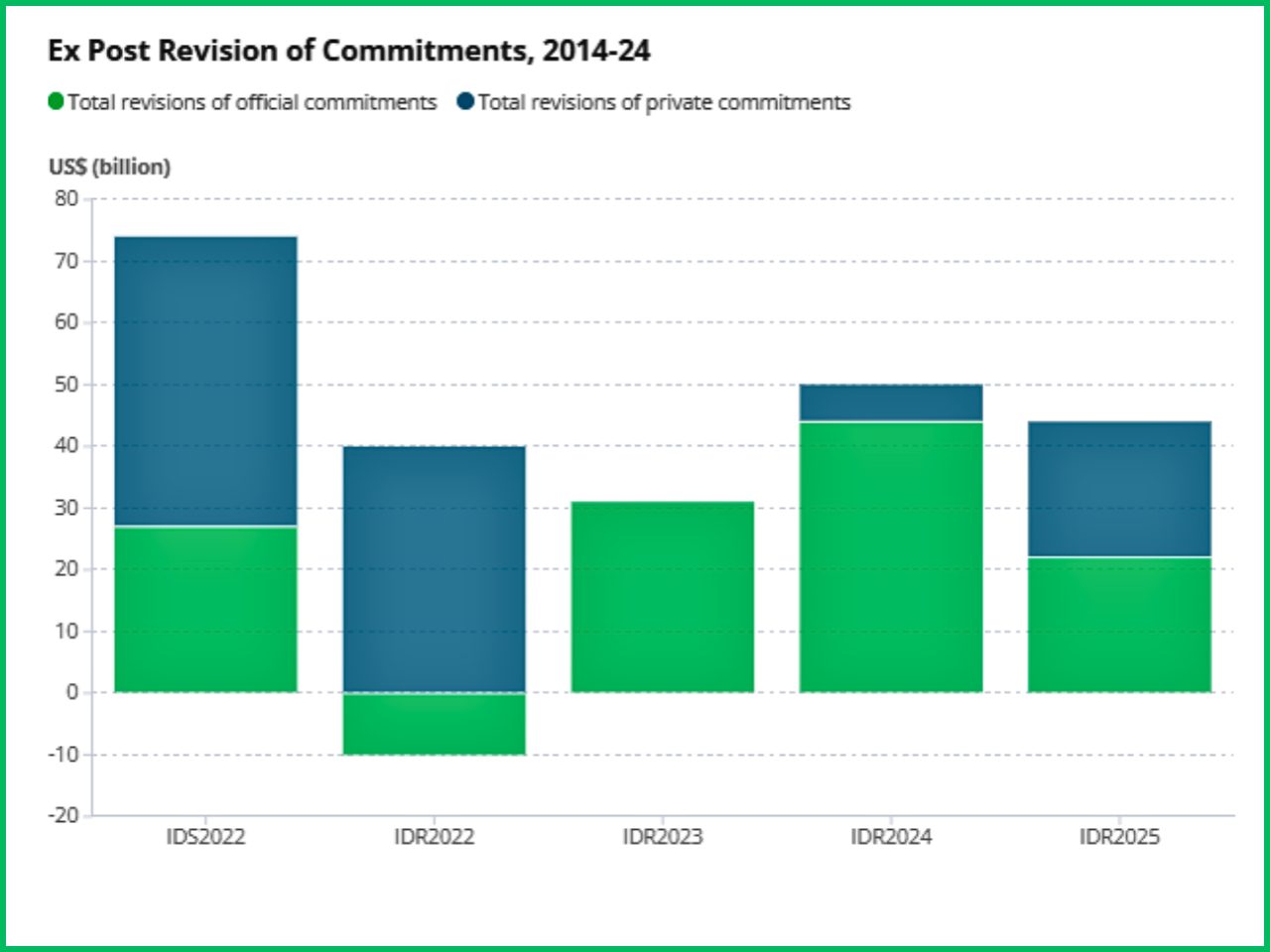
World Bank Unveils New Era of Debt Transparency: 3 Pillars to Boost Global Financial Stability
Over the last ten years, the World Bank has expanded its International Debt Statistics (IDS) program to cover a much larger portion of the world’s external debt, thereby increasing usability and comparability. However, consistent definitions and reporting practices must also be used in conjunction with disclosure in order to create real debt transparency.
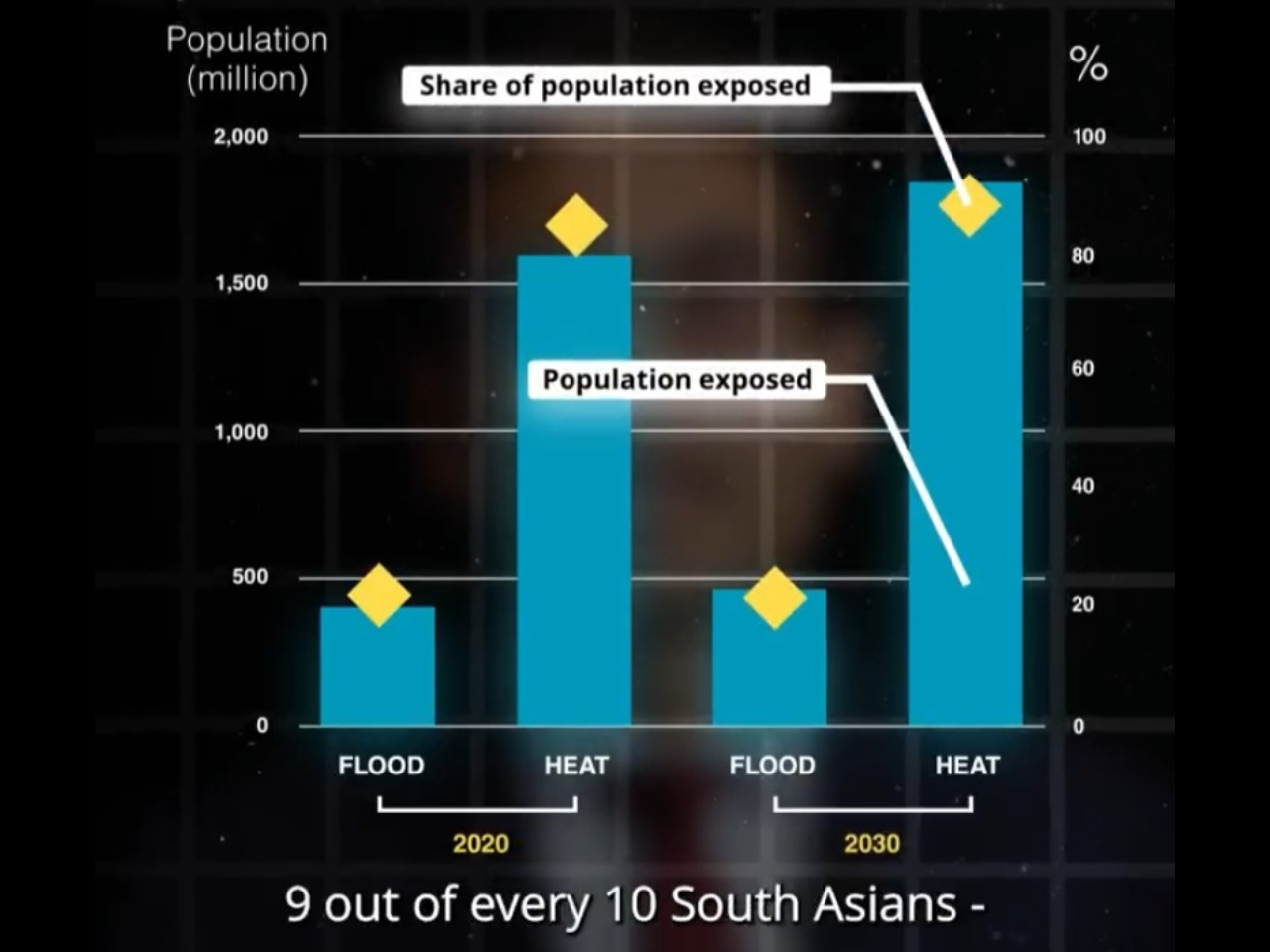
South Asia's Climate Crisis: 90% Population at Risk of Extreme Heat by 2030
The area is already the most vulnerable to climate change among emerging and developing markets, and it is estimated that almost 90 percent of its population will be in danger of extreme heat by the year 2030. The exposure in urban context is also observed to be quite alarming: by 2030, 1.2 billion of the urban population (92 percent) is projected to be exposed to extreme heat, and 322 million (24 percent) will face flood risks.
Monthly Edition