UK and EU Sign Landmark Competition Cooperation Agreement, Strengthening Post-Brexit Ties
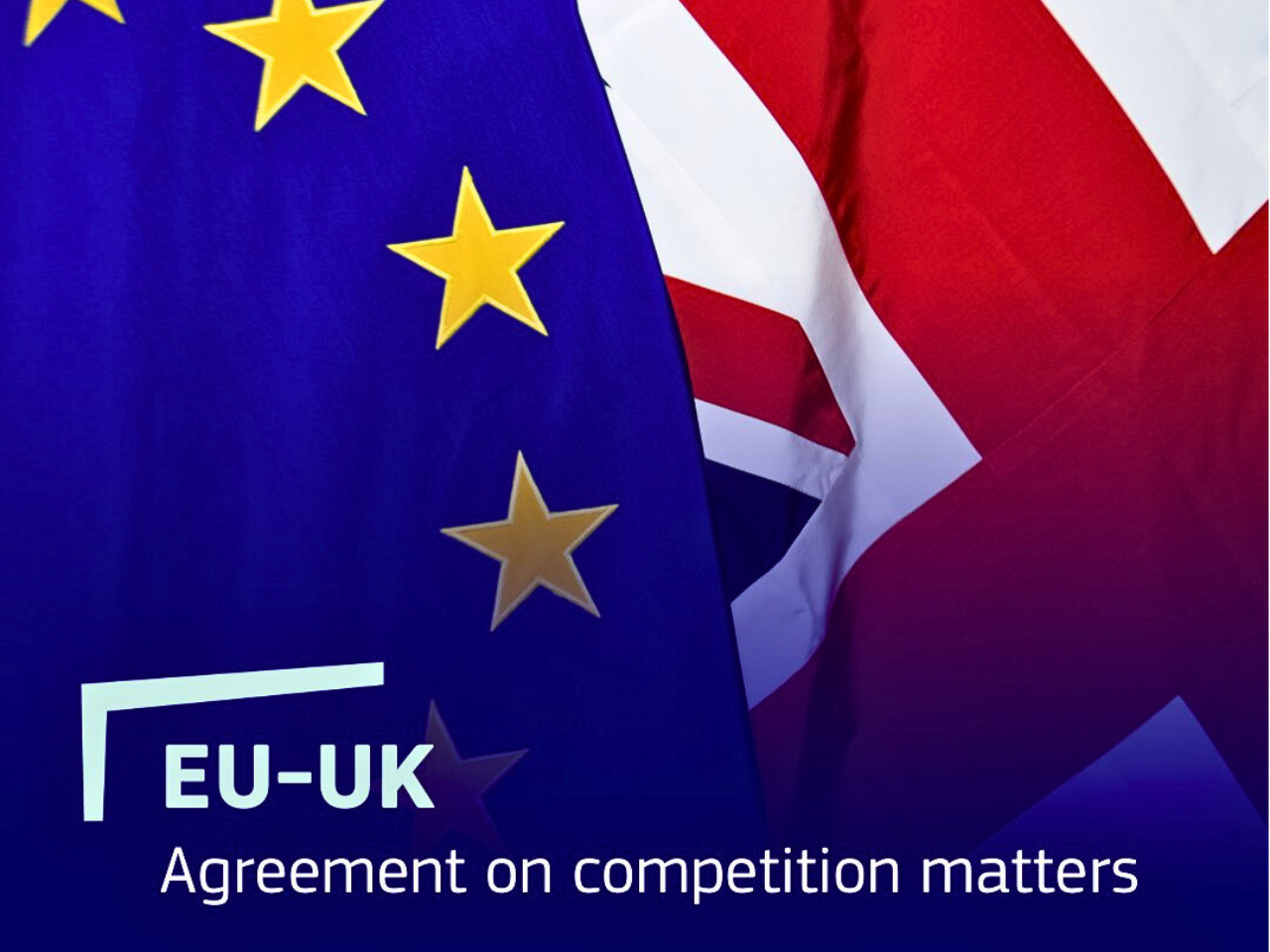
The image represent the UK and EU Sign Competition Cooperation Agreement, Strengthening Post-Brexit Ties
Image source: European Commission

The Competition Cooperation Agreement between the UK and the EU, signed by both parties on 25th February 2026 in Brussels, sets out a framework for future cooperation in terms of competition law following Brexit. This will create a framework for EU and UK authorities to cooperate with each other after Brexit for the very first time purely on competition matters.

It provides a framework for the European Commission and EU member states, on the one hand, and the UK Competition and Markets Authority, on the other hand, to work together in relation to antitrust and merger investigations. Both parties will share information about significant antitrust and merger investigations and will coordinate their enforcement efforts to ensure consistent outcomes. The protection of confidential information is one of the main aspects of the agreement. The competition authorities will maintain the confidentiality of any information shared, and prior approval of the companies that shared the information is required to allow for the sharing of confidential or sensitive information. Therefore, this ensures that cooperation will not negatively impact business confidentiality or legal protections provided under law.

Furthermore, the new agreement will reinforce the current Trade & Cooperation Agreement (TCA) between the EU and the UK by providing a clearer understanding of each of their obligations under the TCA. As such, this creates, through signing this new agreement, an opportunity for both parties to enter into and strengthen their existing relationship through the implementation of regulatory cooperation regarding our laws regulating marketplace conduct (competition), protecting consumers (consumer protection), and providing appropriate mechanisms to promote and develop innovative products and services (innovation). Both parties may ratify this new agreement, at which point it will go into effect. From the standpoint of the EU, the final step necessary to proceed to ratifying the new agreement will be to adopt, by the council, a decision concluding the agreement with the appropriate consent/approval of the European Parliament, thereby completing their internal procedural approvals. 


Latest News

The image represent the cybersecurity measure to the globally

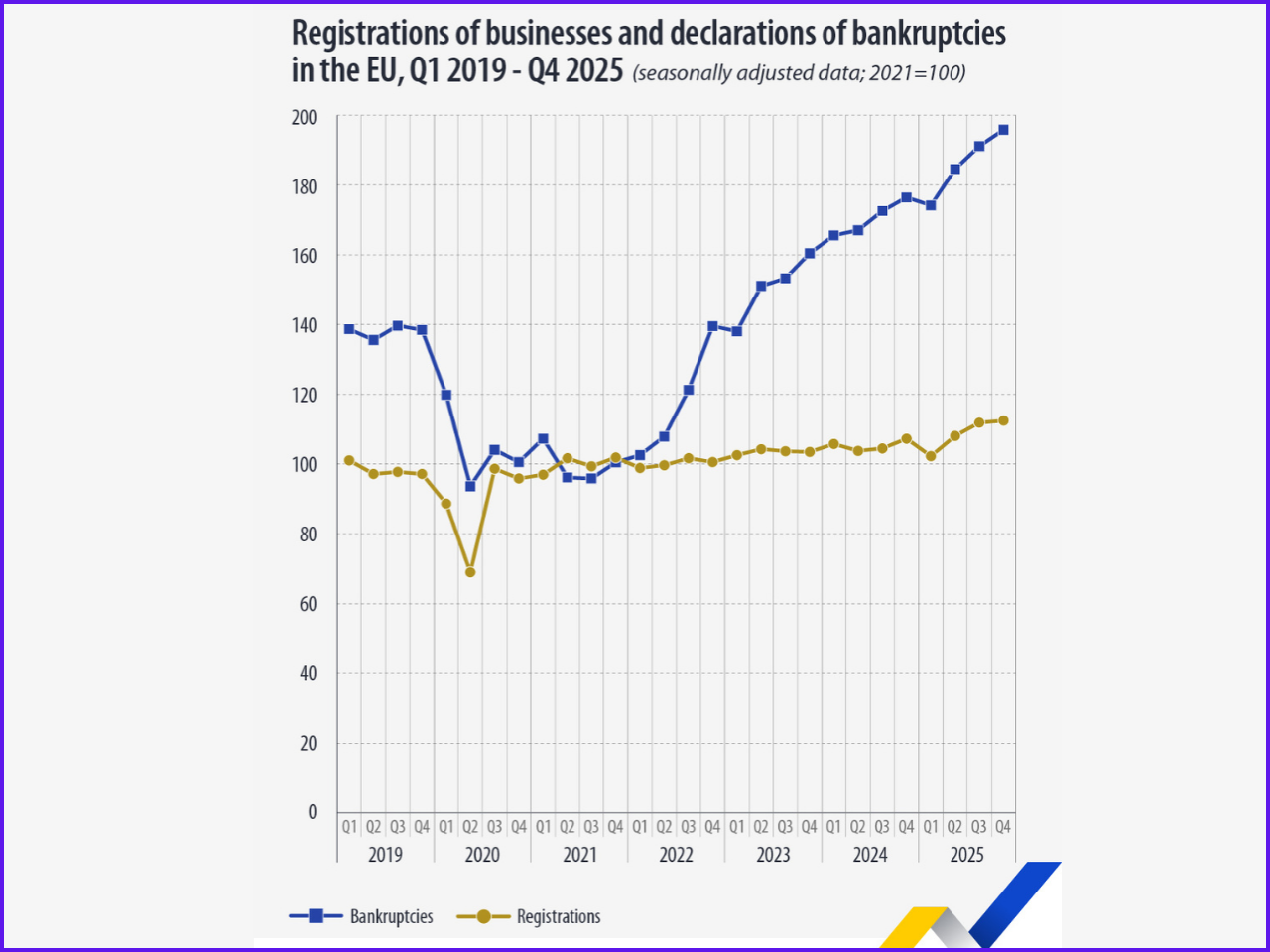
The graph repesent the EU-registration of business and declaration of bankruptcies

The image repesent the philippines, finance minister in public stage talk

The graph represent the world bank international debt statisticals database, 2022-2025


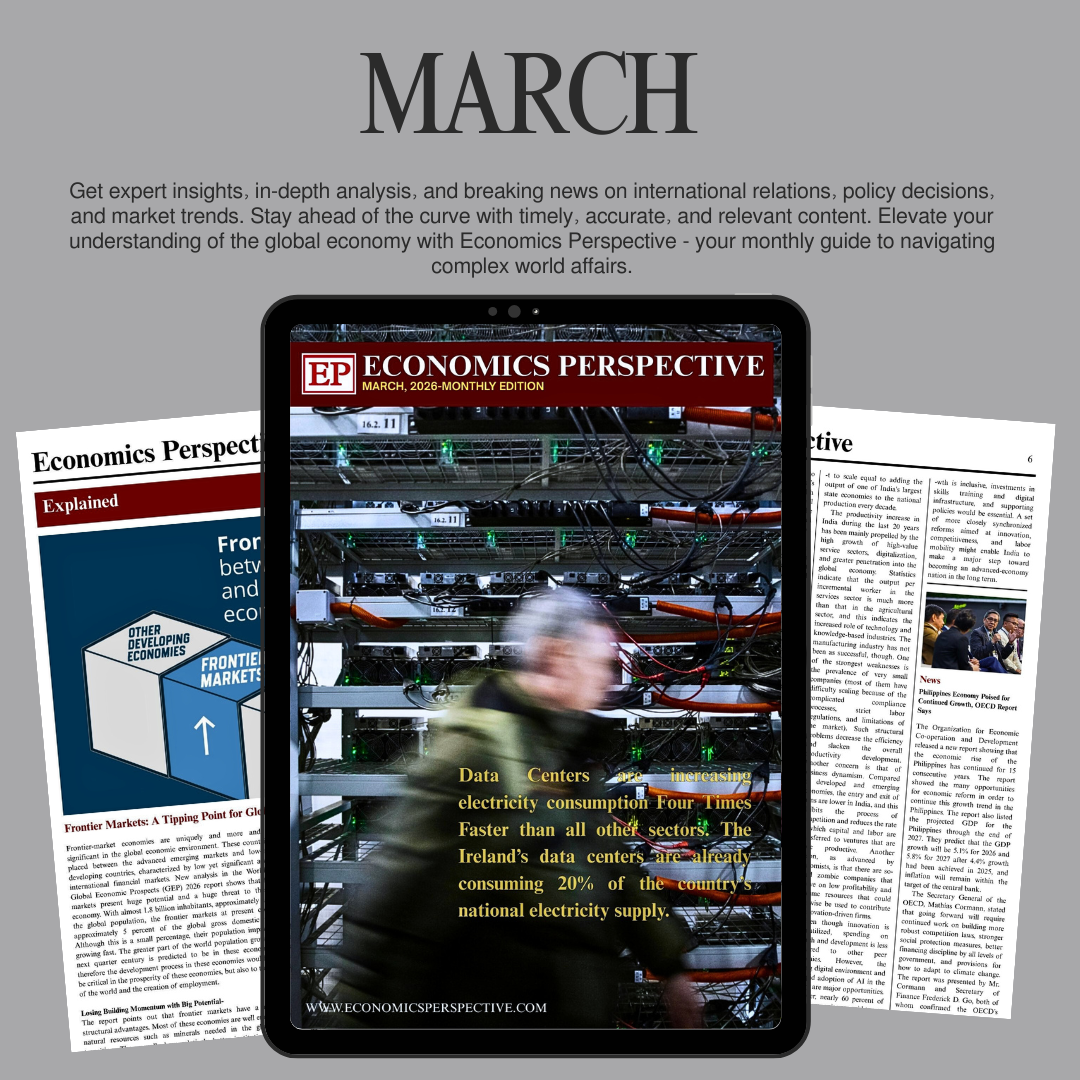
Monthly Edition

March Edition

Latest Explained
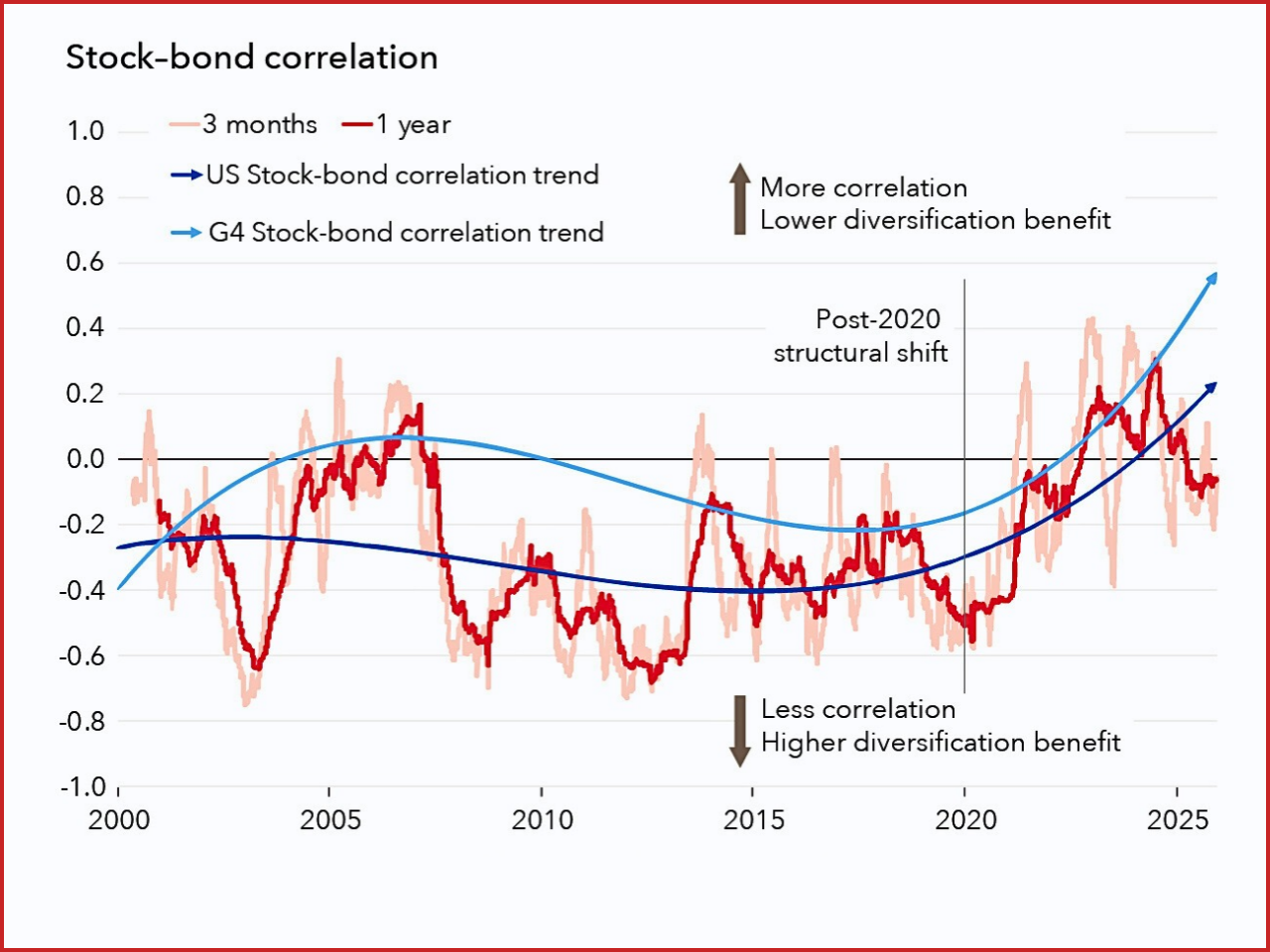
Bond-stock correlation trends analysis
Explained / February 24, 2026
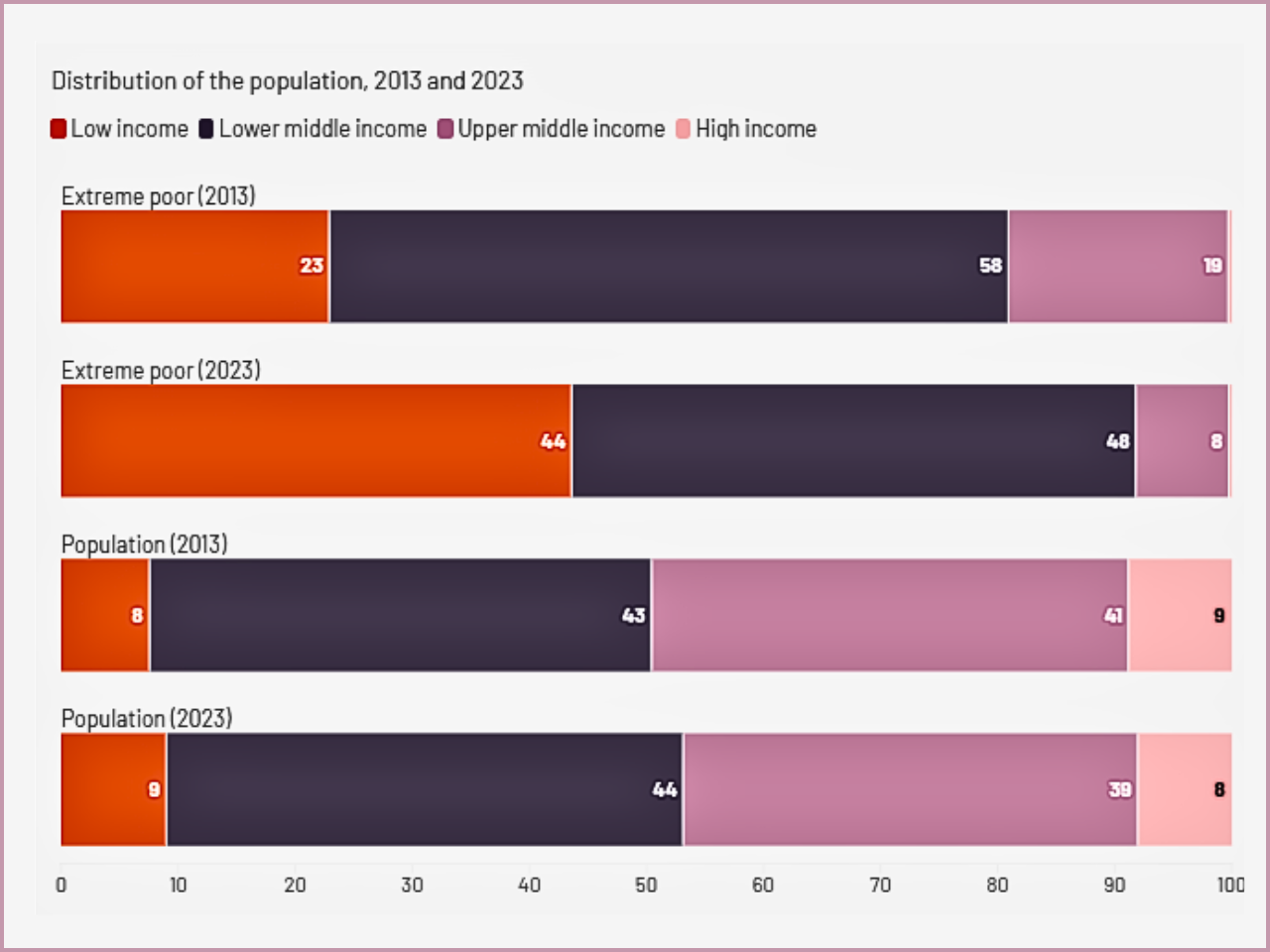
Global Poverty Shifts: Africa, Children Bear Brunt of Extreme Poverty

The percentage of people living in extreme poverty in rural areas of sub-Saharan Africa increased dramatically from 33 percent in 2013 to 53 percent as of 2023. The percentage of the world’s total poor who reside in urban areas of Africa has more than doubled since 2013, despite urban areas of Africa comprising a small proportion of the global population. There has been a significant change in terms of who makes up the population that falls below the poverty line today. More than half (or 46%) of those living in extreme poverty today are less than 15 years of age. This means over 50% of all people living in extreme poverty are children. Despite overall decreases in poverty rates for all age groups, there has been less of a decrease when it comes to youth (age 15 to 24) than with adults (over age 25).

Bond-stock correlation trends analysis
Explained / February 21, 2026
Stock-Bond Correlation Shift: Is the Traditional Hedge Broken

According to IMF analysis, the stock and bond returns have been trending in the same way, mainly on acute selloffs, since early 2020. Rather than bonds covering the losses of equity, the two asset classes have sometimes declined in tandem, eliminating the diversification advantages. It seems that the shift started towards the end of 2019 and accelerated with the supply shocks prompted by the pandemic, which created global inflation. Statistics provided by the IMF indicate the presence of a structural break. In the pre-pandemic past, the correlation between equities and government bonds rolled negatively in the majority of cases. In 2020, the trend of the correlations was positive and often had a positive value.

Global Corruption Perception Index 2025 Report
Explained / February 19, 2026
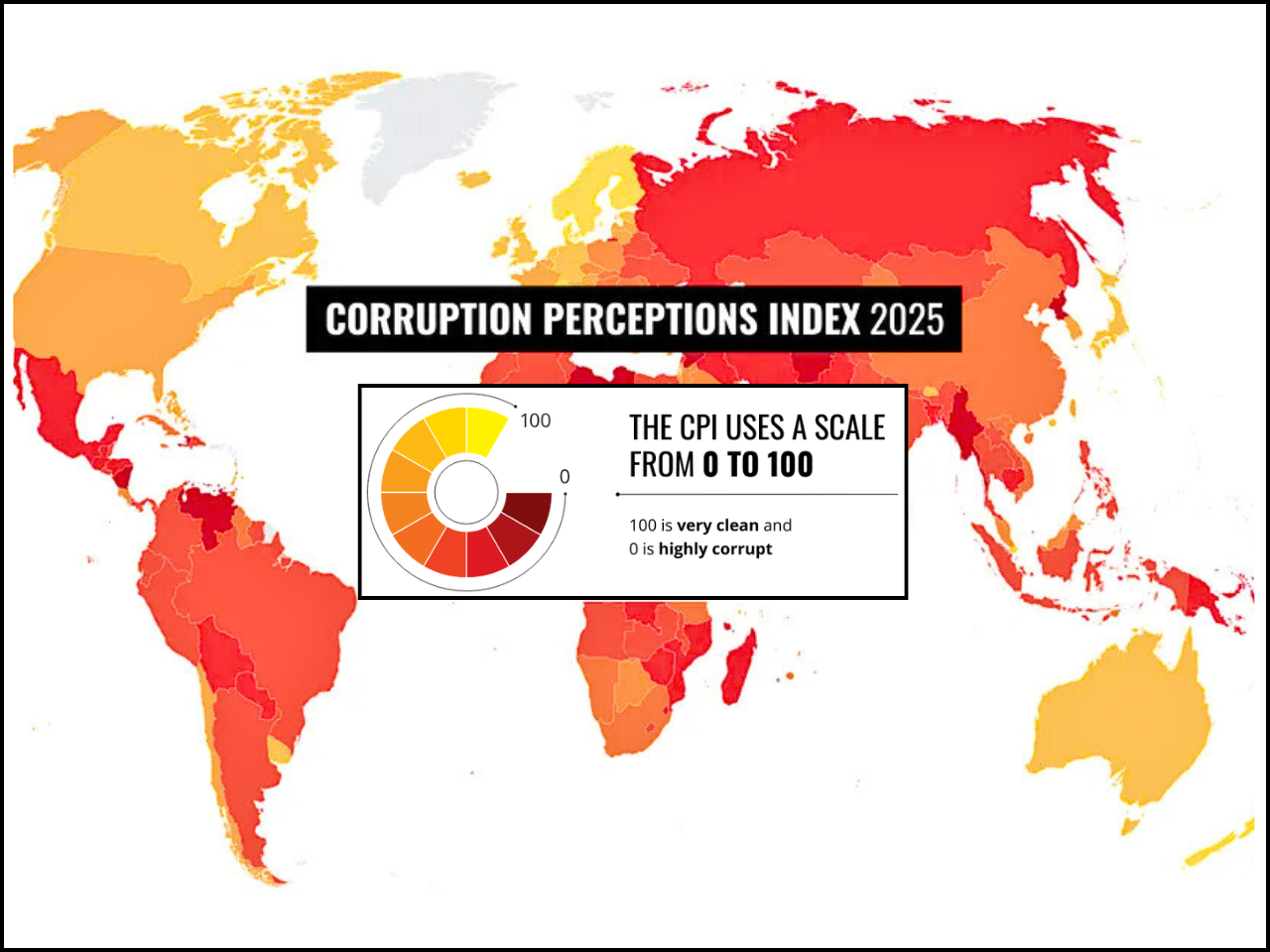
Global Corruption Hits Decade-Low: CPI 2025 Report Sounds Alarm on Governance

Over two-thirds of the nations had a score of below 50, meaning they were facing serious corruption issues in huge portions of the world. Nordic and highly institutionalized democracies still dominate at the top of the index. Denmark was ranked first with a score of 89, and this has followed a long track of good performance in governance. Other advanced nations are Finland, Singapore, and New Zealand, which are known to have a good reputation in terms of good institutions and open administration. On the other extreme, the least scored are conflict-affected and politically unstable states. There were the lowest scores in such countries as Somalia and South Sudan.

Nilarani / January 26, 2025
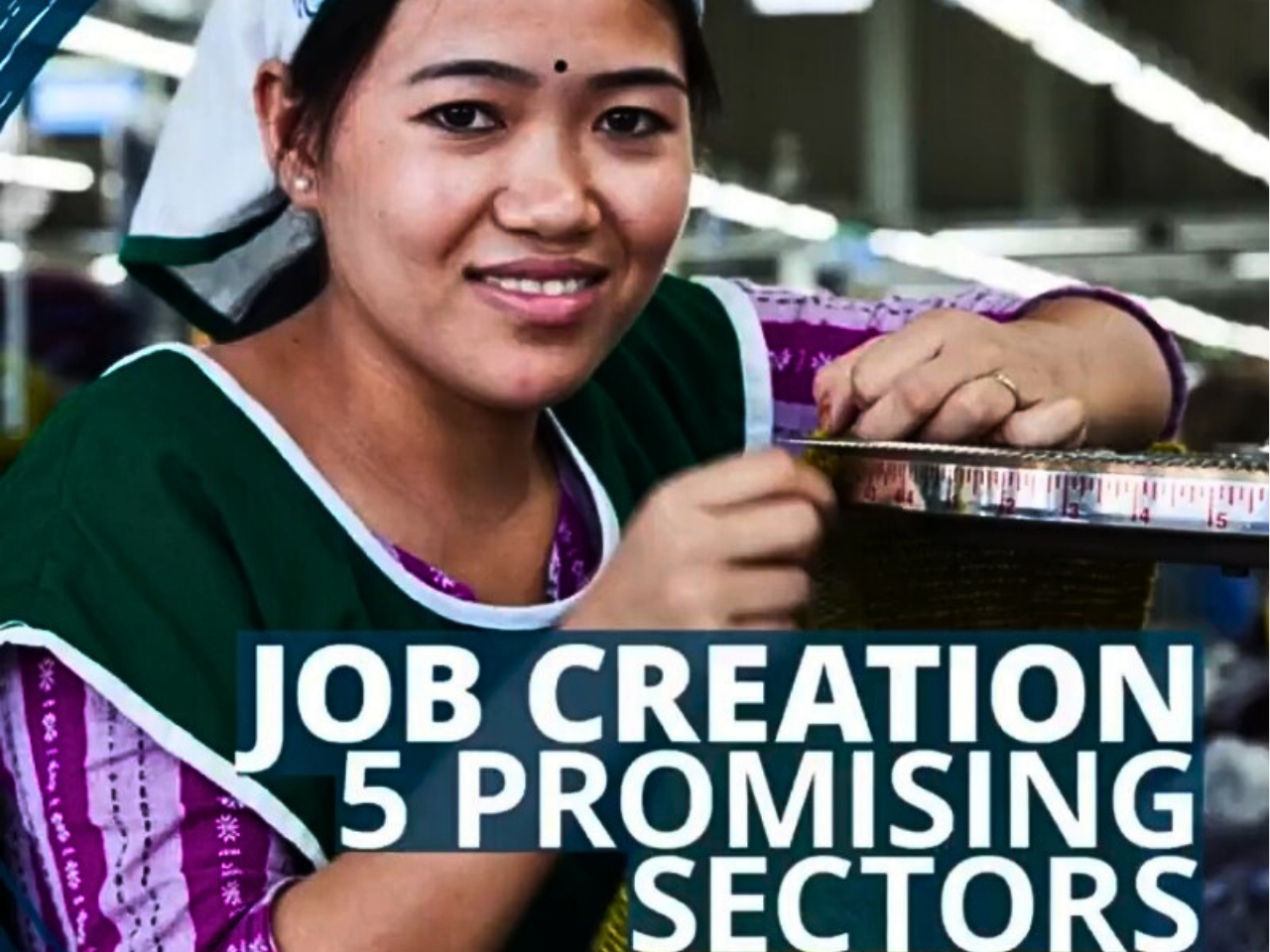
Jobs at the Forefront: World Bank's Strategy for a Resilient Global Economy

The World Bank Group has focused on five key industries in which there is great potential for creating employment opportunities: the energy and infrastructure sector, agriculture and agribusiness, health care, tourism, and manufacturing. Each of these sectors is interconnected with the other and supports the creation and development of many job opportunities and a broad-based development strategy. The two most important things that drive our economy are energy and the infrastructure necessary to transport energy to people so that they can be connected to the market and provide productivity to their daily lives.

Avichal Sharma / December, 2025
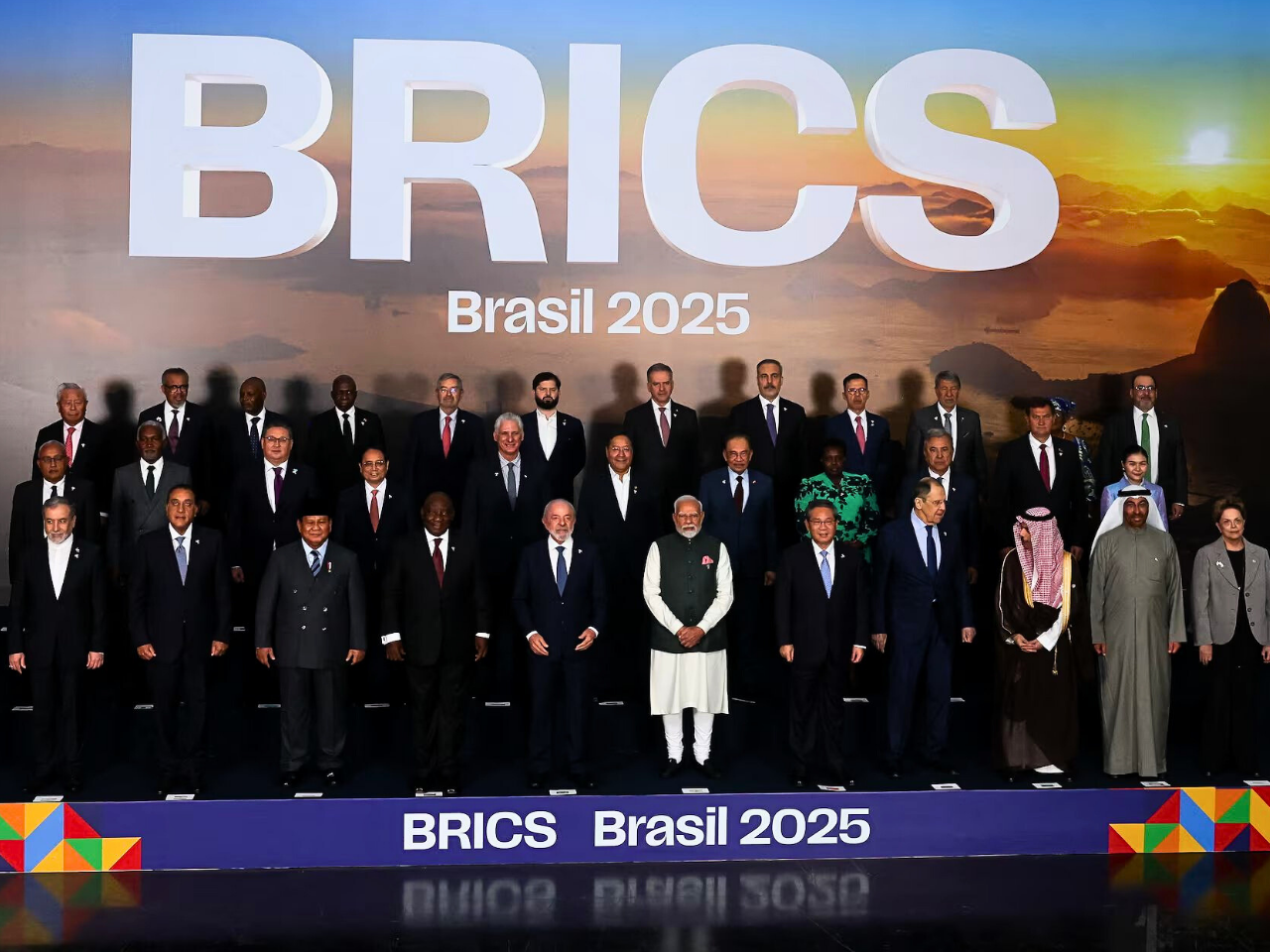
The Gathering Storm: How Trump's Tariffs Forged BRICS Unity

In a world long dominated by the financial tides of the US dollar, a new story is unfolding, driven not by a grand, planned design but by an unexpected external force: the tariff policies of Donald Trump. Trump's renewed presidency saw him sign an executive order in early 2025, first imposing tariffs on imports from China, then escalating to a "universal" tariff on nearly all imports. But the most pointed attacks were reserved for the BRICS bloc and their partners.

EP-Prime Membership

Free membership

Read More From Blog >>>