Philippines Economy Poised for Continued Growth, OECD Report Says

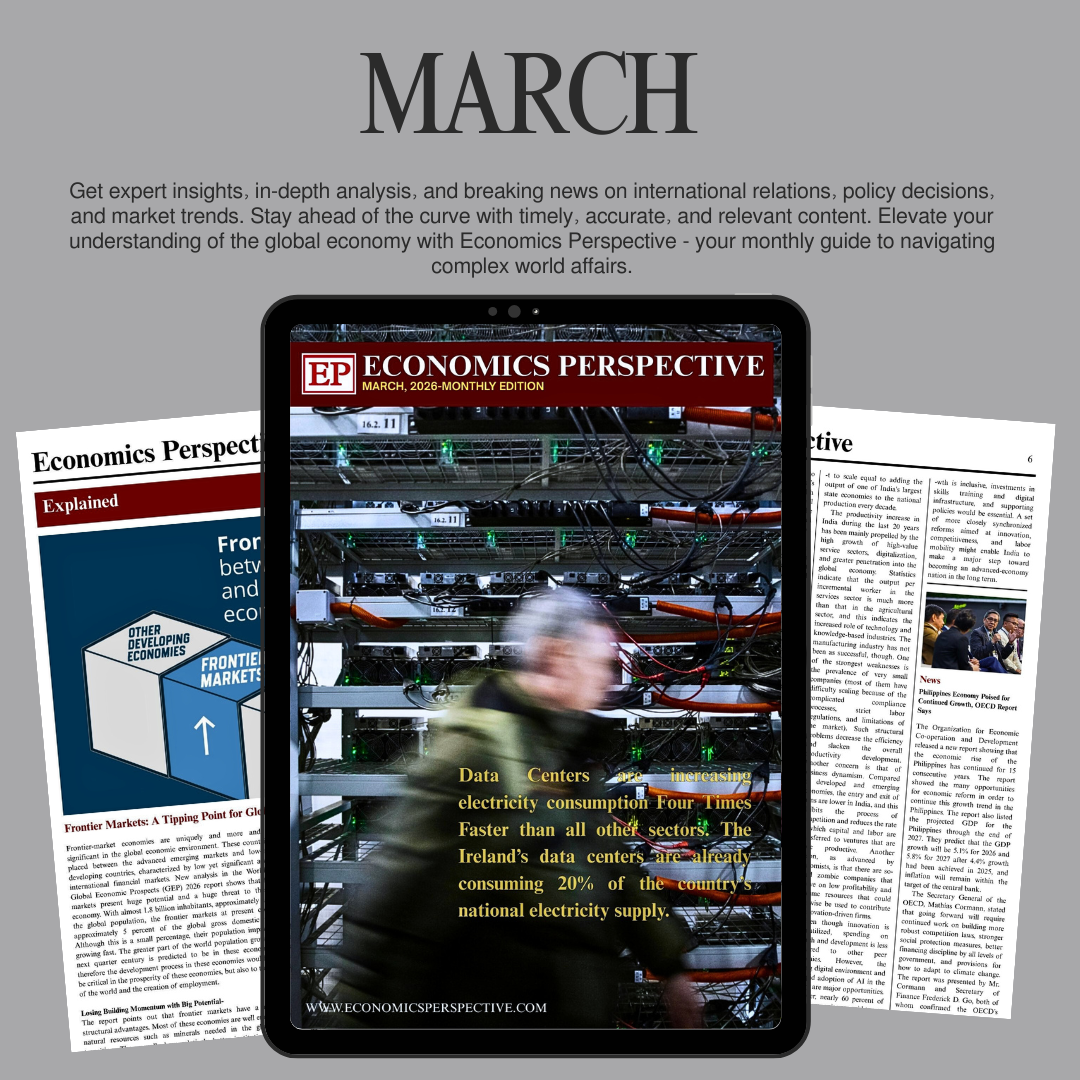
The Organization for Economic Co-operation and Development released a new report showing that the economic rise of the Philippines has continued for 15 consecutive years. The report showed the many opportunities for economic reform in order to continue this growth trend in the Philippines. The report also listed the projected GDP for the Philippines through the end of 2027. They predict that the GDP growth will be 5.1% for 2026 and 5.8% for 2027 after 4.4% growth had been achieved in 2025, and inflation will remain within the target of the central bank.
The Secretary General of the OECD, Mathias Cormann, stated that going forward will require continued work on building more robust competition laws, stronger social protection measures, better financing discipline by all levels of government, and provisions for how to adapt to climate change. The report was presented by Mr. Cormann and Secretary of Finance Frederick D. Go, both of whom confirmed the OECD’s analysis. To maintain public sector sustainability (through sustainable public debt), the report recommends that governments reduce value-added tax exemptions as well as improve the efficiency of public sector investments. Promoting competition (particularly in the telecommunications and electricity sectors) will help to lower costs and increase production by encouraging shared use of infrastructure and delineating the responsibilities of network operators and generators.
Establishing a unified social safety net with universal core social benefits and regionally adjusted minimum wages would support formal employment and decrease informal work activities. Climate risk has created a large funding gap for investments necessary for resilient infrastructure, early warning systems, and insurance coverage against natural disasters (e.g., typhoons) in the future. For example, better water pricing in Metro Manila should be supported by a variety of methods (such as increasing the minimum rate charged for water service) to help alleviate the problem of land subsidence. To support the transition toward cleaner energy, the OECD is recommending that governments increase the tax on coal.
Latest News
India's AI Revolution: Can Tech-Driven Growth Propel the Country to New Economic Heights
Recent analysis by the International Monetary Fund indicates that productivity growth could increase by almost 40 percent if the country manages to remove impediments that bar the expansion and creativity of firms. This would be economically meaningful, a boost to scale equal to adding the output of one of India's largest state economies to the national production every decade.

World Bank Unveils New Era of Debt Transparency: 3 Pillars to Boost Global Financial Stability
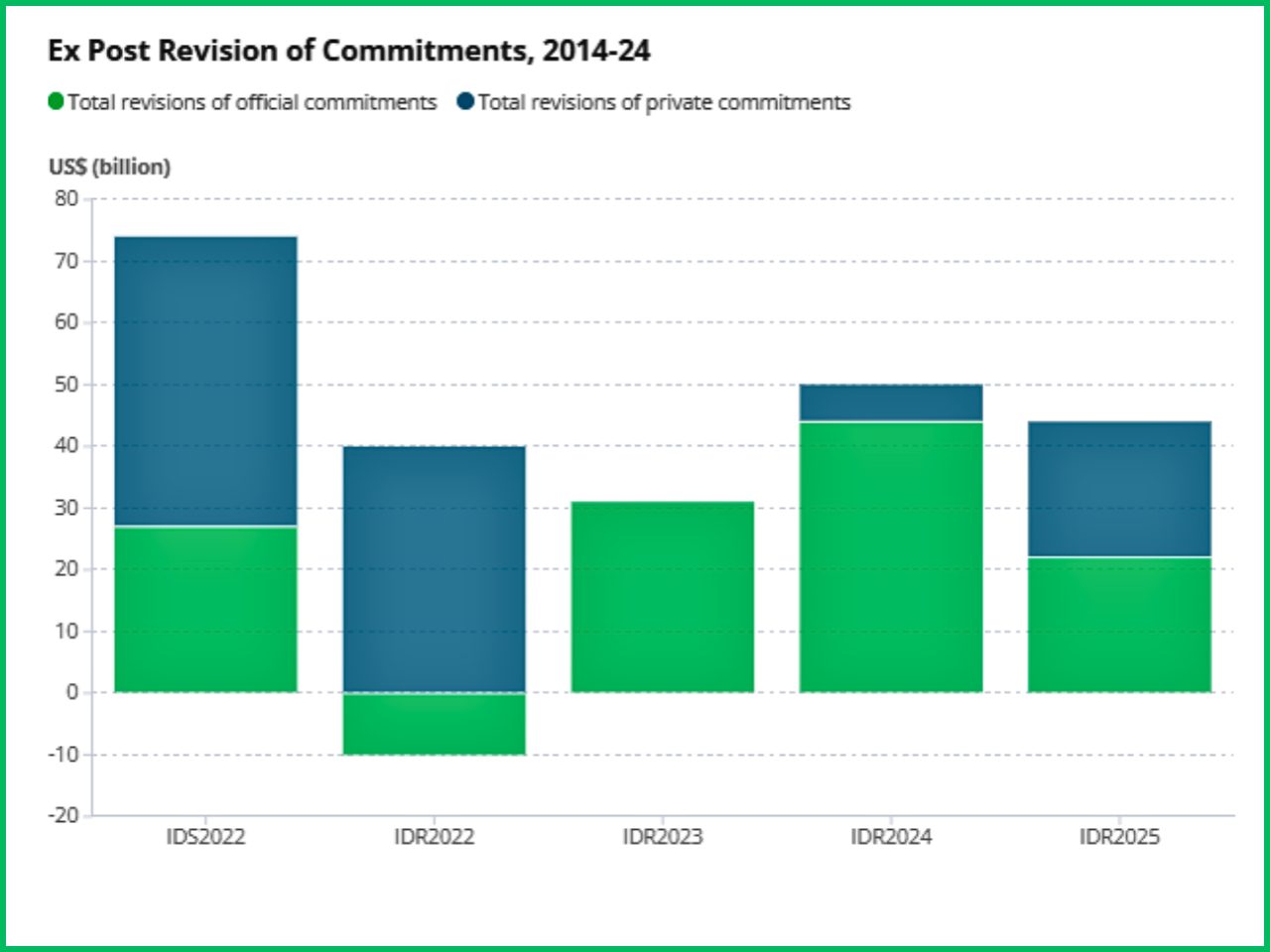
Over the last ten years, the World Bank has expanded its International Debt Statistics (IDS) program to cover a much larger portion of the world’s external debt, thereby increasing usability and comparability. However, consistent definitions and reporting practices must also be used in conjunction with disclosure in order to create real debt transparency.
South Asia's Climate Crisis: 90% Population at Risk of Extreme Heat by 2030
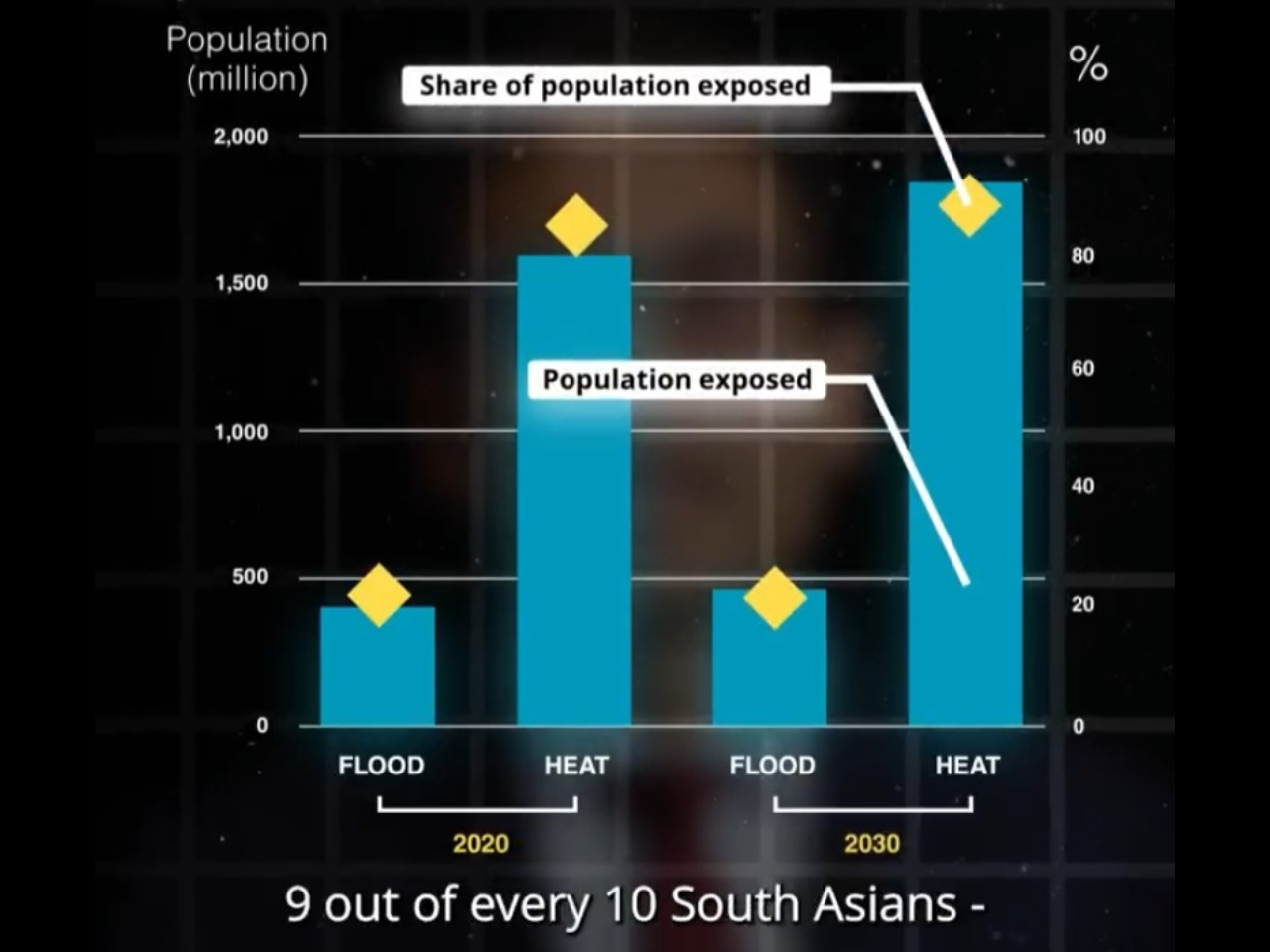
The area is already the most vulnerable to climate change among emerging and developing markets, and it is estimated that almost 90 percent of its population will be in danger of extreme heat by the year 2030. The exposure in urban context is also observed to be quite alarming: by 2030, 1.2 billion of the urban population (92 percent) is projected to be exposed to extreme heat, and 322 million (24 percent) will face flood risks.
EU's HOUS Committee Takes Bold Steps to Address Housing Crisis by 2026
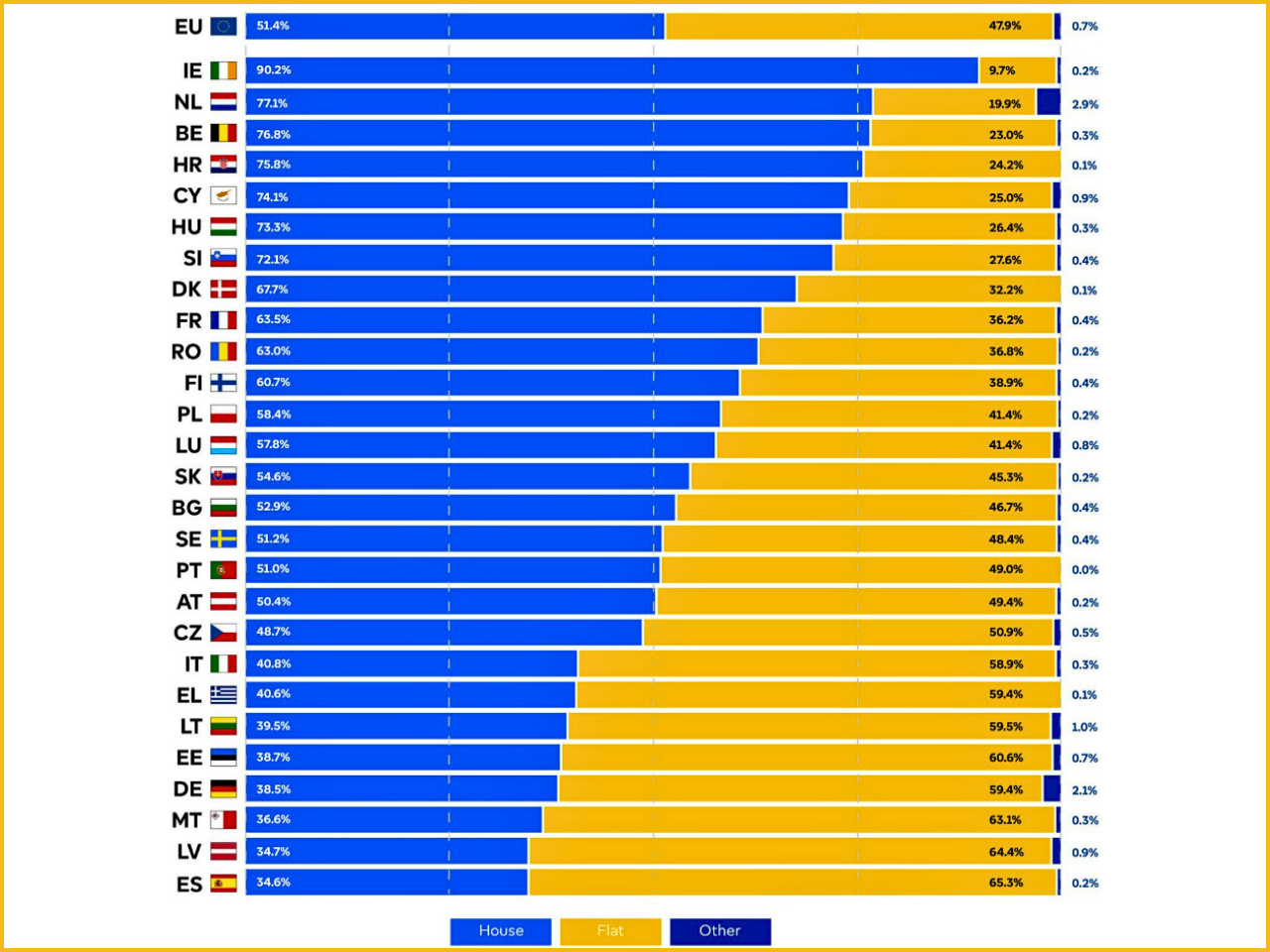
The European Parliament’s HOUS Committee (Housing Crisis in the EU) has a mandate to develop solutions for housing issues in the EU (affordable, sustainable, and decent) aimed at resolving these issues by 2026. The European Commission’s Joint Research Centre and Eurostat for meetings held in January 2026. These meetings have been very valuable in providing the members of the committee with an improved understanding of housing data and housing policy.
Data Centre Boom Sparks Energy Crisis: Power Companies Scramble to Meet Surging Demand
The industry that capital outlay on data centres may approach approximately 7 trillion dollars by 2030, of which approximately 1.3 trillion dollars will be used in power generation, cooling equipment, and electrical equipment. In Ireland, data centres already represent approximately 20 percent of national electricity consumption, as the example of the digital infrastructure redefining energy demand shapes up that speedily.

Monthly Edition
Latest Podcast



EP-Prime Membership