EU's HOUS Committee Takes Bold Steps to Address Housing Crisis by 2026
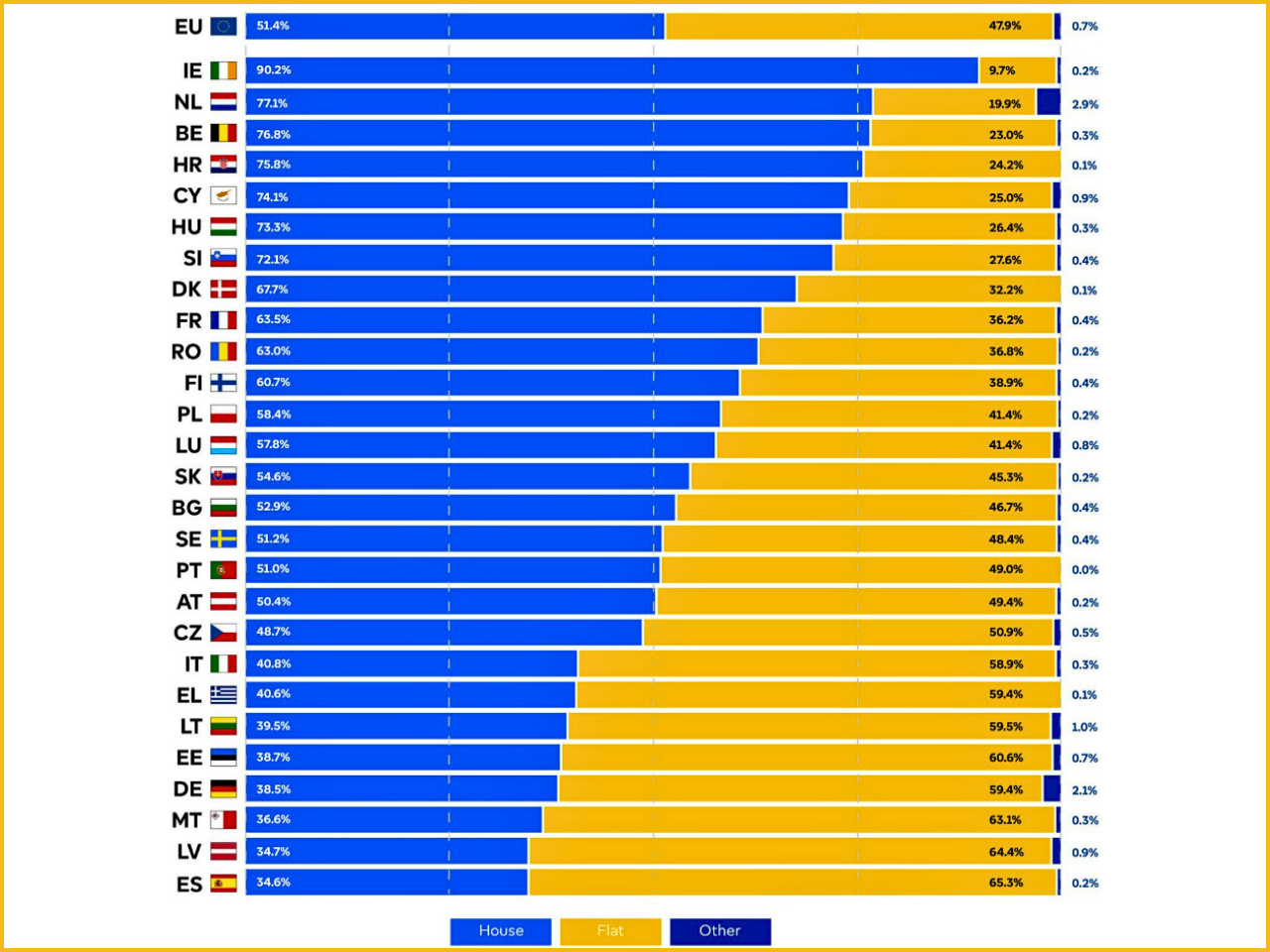
The European Parliament’s HOUS Committee (Housing Crisis in the EU) has a mandate to develop solutions for housing issues in the EU (affordable, sustainable, and decent) aimed at resolving these issues by 2026. The Committee has participated in a number of important activities this year, including voting on a draft report that contained 1456 proposed amendments and 49 compromise texts that outlined the recommended policy direction. The final report was created and passed in Strasbourg with near collective support among committee members.
In addition to these activities, the committee has met with experts from the OECD and the European Commission’s Joint Research Centre and Eurostat for meetings held in January 2026. These meetings have been very valuable in providing the members of the committee with an improved understanding of housing data and housing policy. A presentation was given by Commissioner Dan Jorgensen to the Members of the Committee on the European Commission’s Affordable Housing Plan that was adopted by the European Commission in December 2025. This presentation allowed the MEPs to consider some of the strategic ways and barriers to actually funding and implementing the Affordable Housing Plan.
As part of the ongoing review of the causes of the housing crisis, the Committee held a session on its recently completed report. Mapping the Housing Needs in the EU, which presents the varying levels of access to and the availability of housing across the EU members. All of these events show how the committee continues its efforts to identify the reasons for the housing crisis, present targeted solutions, and influence EU policy through future meetings and reports.
Latest News
Data Centre Boom Sparks Energy Crisis: Power Companies Scramble to Meet Surging Demand
The industry that capital outlay on data centres may approach approximately 7 trillion dollars by 2030, of which approximately 1.3 trillion dollars will be used in power generation, cooling equipment, and electrical equipment. In Ireland, data centres already represent approximately 20 percent of national electricity consumption, as the example of the digital infrastructure redefining energy demand shapes up that speedily.

EU's Zero Pollution Action Plan: Aiming for a Toxic-Free Environment by 2050
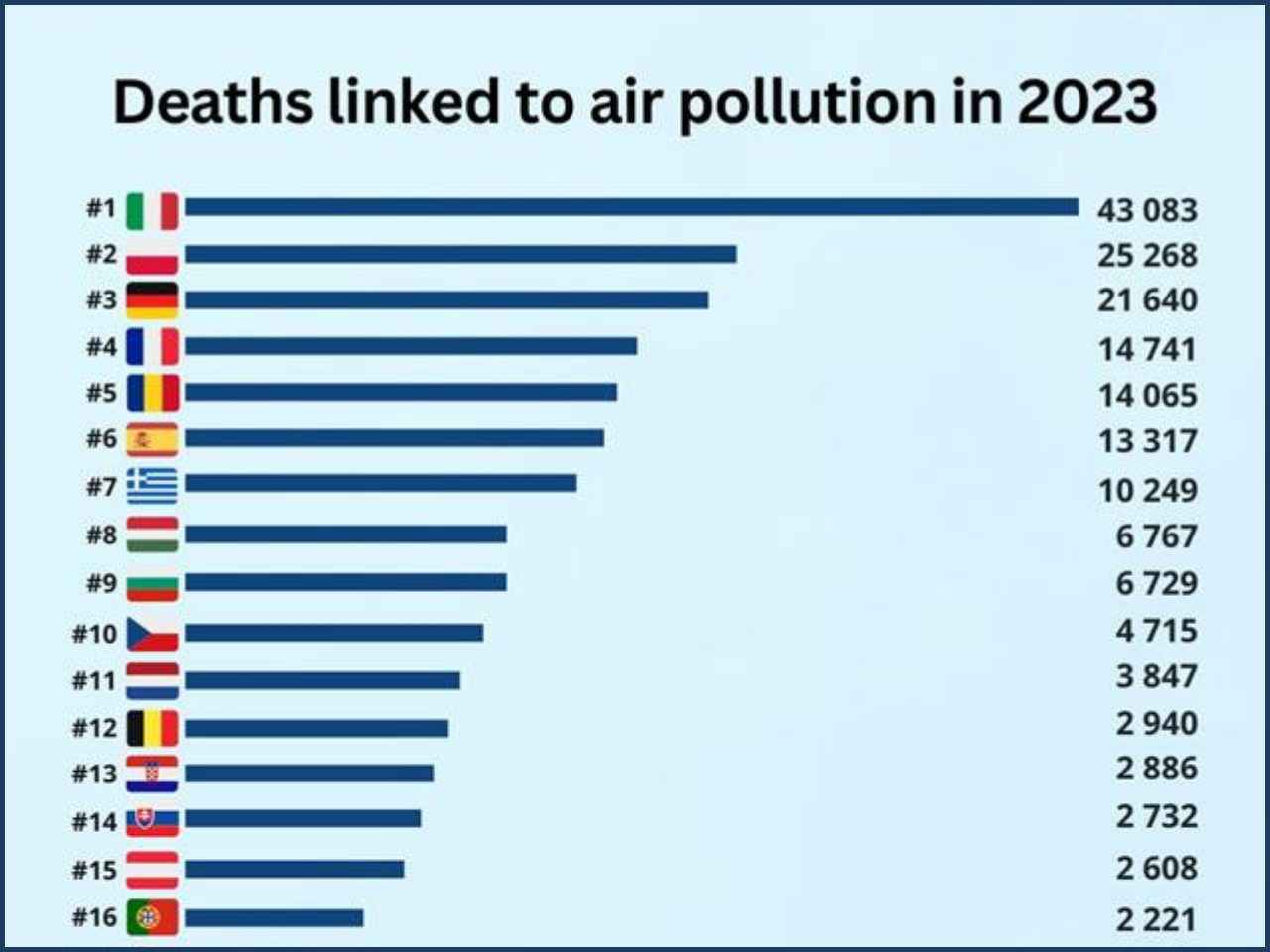
The European Union’s “Zero Pollution Action Plan” will strive to achieve an environment without toxins by decreasing air, water, and soil pollution to levels that have no effect on human health or the ecosystems’ ability to function properly and provide vital services (e.g., storing carbon or filtering pollution). The plan includes significant targets for progress toward 2030, including a 55% decrease in premature deaths caused by air pollution.
Global Gas Market in Flux: Prices Diverging as LNG Trade Shifts
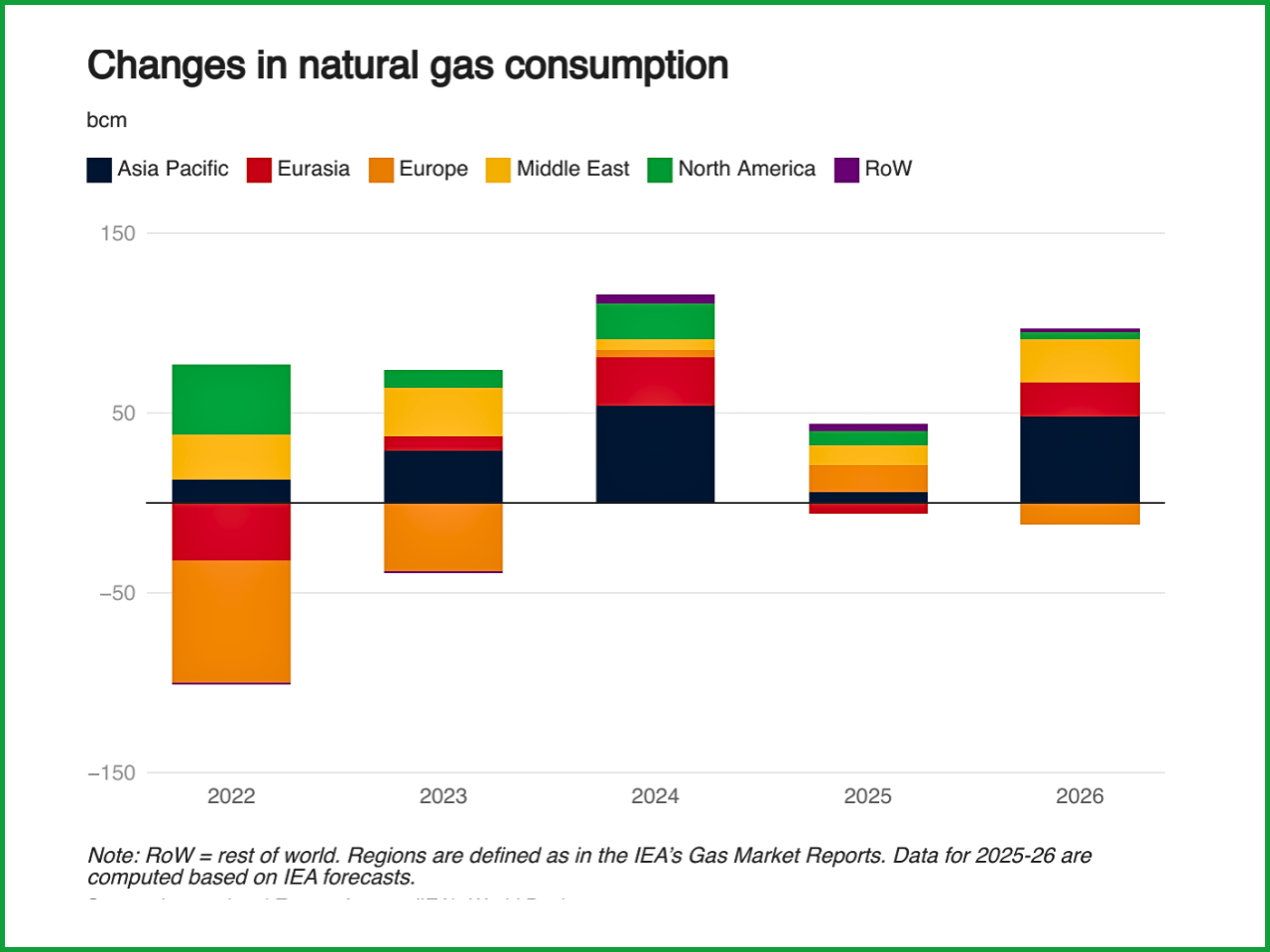
The World Bank’s gas price index went up slightly, but the trend in prices looks very different depending on where you live. In the United States, natural gas prices kicked up above $5/mmbtu for the first time in three years due to cold temperatures and, on top of other things, increased LNG shipping over to Europe. Throughout Europe, prices for natural gas fell again this week, reaching an all-time low since early 2024 based on declining demand and increasing volumes of LNG imports.
Pension Systems in Crisis: OECD Report Reveals Challenges and Opportunities for Reform
Pension payments offered to future workers are estimated to be about 63% of net wage earnings on average across the world, but there are significant variations between different countries. Women continue to receive monthly pension payments that are roughly 25% lower than the amounts received by men. Imbalances in employment availability for jobs, hours worked per week, or base salary are major contributors to the lifecycle earnings differentials that create the overall pension gap.
India's Economic Resilience: A Beacon of Hope in Turbulent Times
The Union Budget 2025-26 and the Economic Survey of India present a long-term economic plan that would enable the country to focus on internal development and make changes in the face of the unpredictable global world. The policy framework depicts a balance of fiscal discipline, structural reform, and increased involvement in international markets.
Monthly Edition