EU Business Activity Shows Resilience Amid Uncertainty
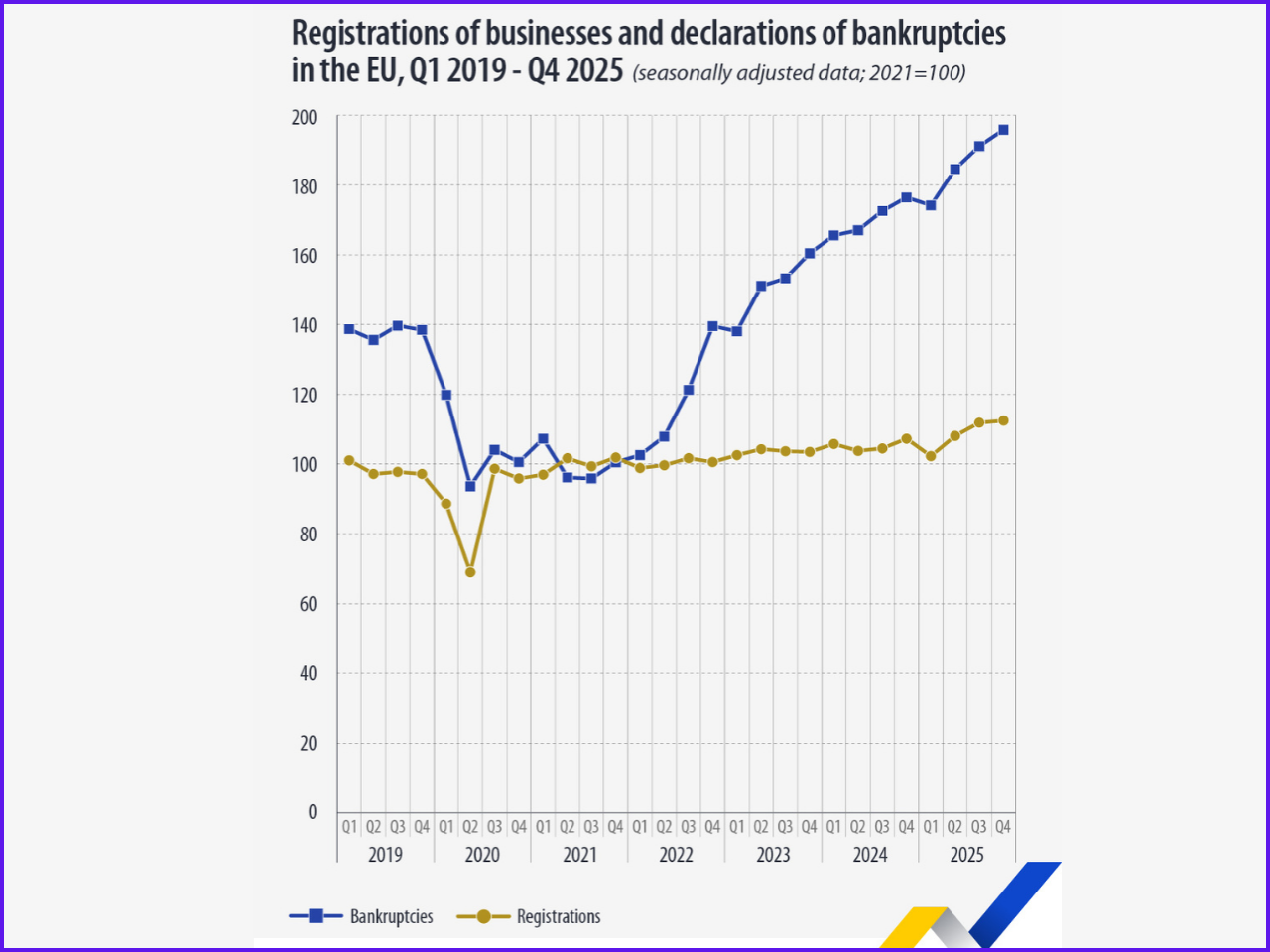
Recent statistics on Eurostat indicated a rather sporadic but quite robust trend in business activity in the European Union in the fourth quarter of 2025. Incorporations of new businesses and bankruptcy filings were also growing, meaning that there was additional economic churning in the industries. Registrations of new businesses increased by 0.5% in the fourth quarter of 2025 as compared to the third quarter. Even though the growth is small, it is an indicator that, despite the prevailing economic uncertainty, activity among the entrepreneurs is not decreasing. At the same time, the volume of bankruptcy announcements grew even faster, by 2.5 percent quarter-to-quarter, which means that the business of certain firms continues to be under a budget. Differences are quite prominent within sectoral trends.
The number of registered businesses had grown in five out of the eight sectors that were being monitored. The best growth was registered in the information and communication sector, whereby the number of new companies formed shot up by 6.4%. Industry was next with a strong 4.9% growth, and at the same time, accommodation and food services registered a lower growth of 1.3%. Registrations were, however, reporting a slight fall in trade (-0.3%), construction (-0.1%), and transport (-0.1%), indicating dissimilar momentum in all of the business economy.
The bankruptcy statistics create a much more diversified picture, but with larger expansions. There was an increase in insolvency declarations in six of the eight sectors. There was the highest increase in accommodation and food services (8.6%), which shows a constant cost and demand pressure in the hospitality segment. The information and communication sector had the largest number of bankruptcies at 7.9 percent, and transport registered 5.6 percent. In comparison, trade (-3.4%) and finance (-0.7%) have shown small improvements. Altogether, recent data indicate that the business environment of the EU is evolving and volatile, at the same time, with new companies being formed regularly, and with the increasing insolvency rates in some of the most stable sectors.
Latest News
Philippines Economy Poised for Continued Growth, OECD Report Says
The Organization for Economic Co-operation and Development released a new report showing that the economic rise of the Philippines has continued for 15 consecutive years. The report showed the many opportunities for economic reform in order to continue this growth trend in the Philippines. The report also listed the projected GDP for the Philippines through the end of 2027. They predict that the GDP growth will be 5.1% for 2026 and 5.8% for 2027.

India's AI Revolution: Can Tech-Driven Growth Propel the Country to New Economic Heights
Recent analysis by the International Monetary Fund indicates that productivity growth could increase by almost 40 percent if the country manages to remove impediments that bar the expansion and creativity of firms. This would be economically meaningful, a boost to scale equal to adding the output of one of India's largest state economies to the national production every decade.

World Bank Unveils New Era of Debt Transparency: 3 Pillars to Boost Global Financial Stability
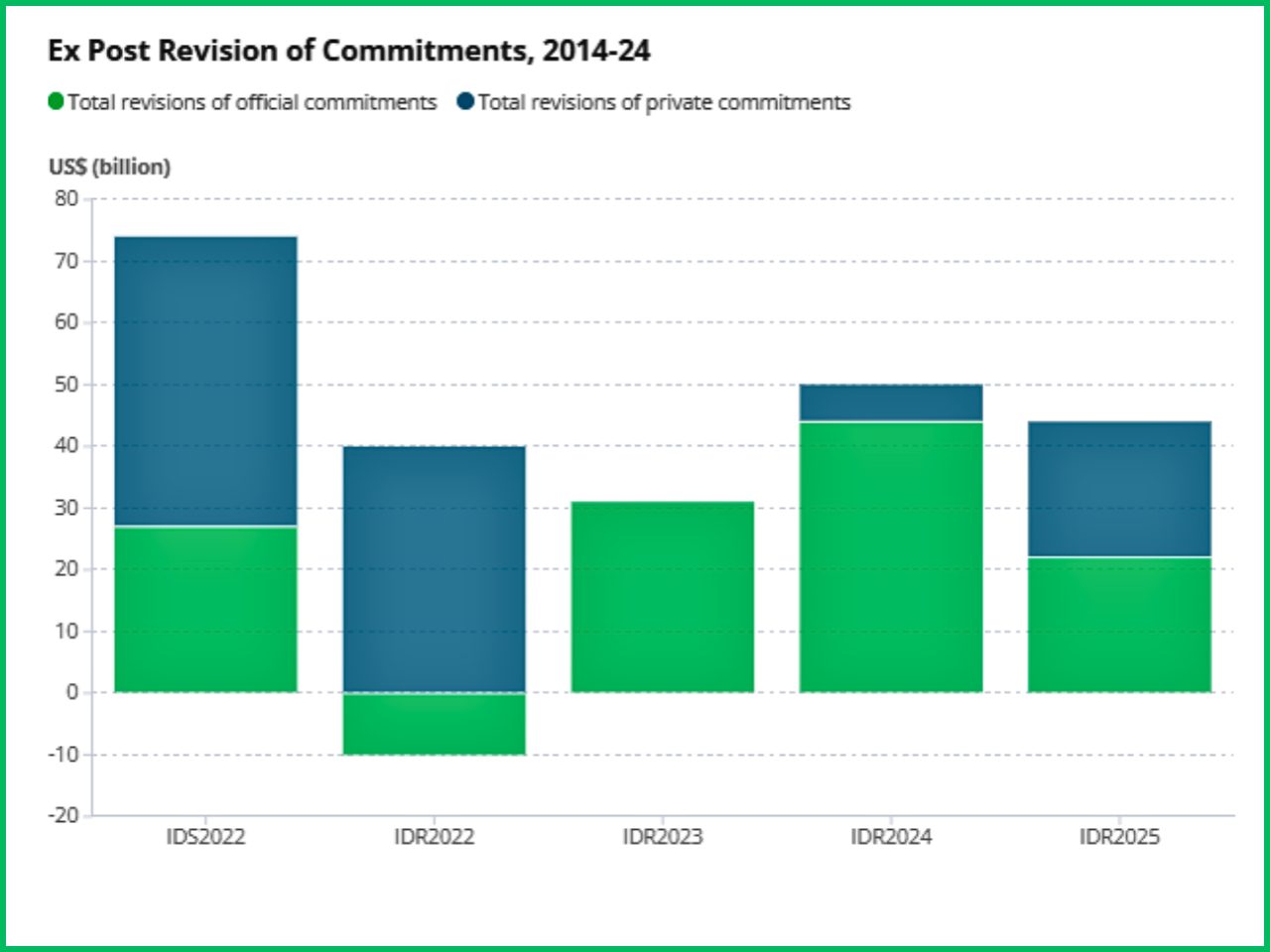
Over the last ten years, the World Bank has expanded its International Debt Statistics (IDS) program to cover a much larger portion of the world’s external debt, thereby increasing usability and comparability. However, consistent definitions and reporting practices must also be used in conjunction with disclosure in order to create real debt transparency.
South Asia's Climate Crisis: 90% Population at Risk of Extreme Heat by 2030
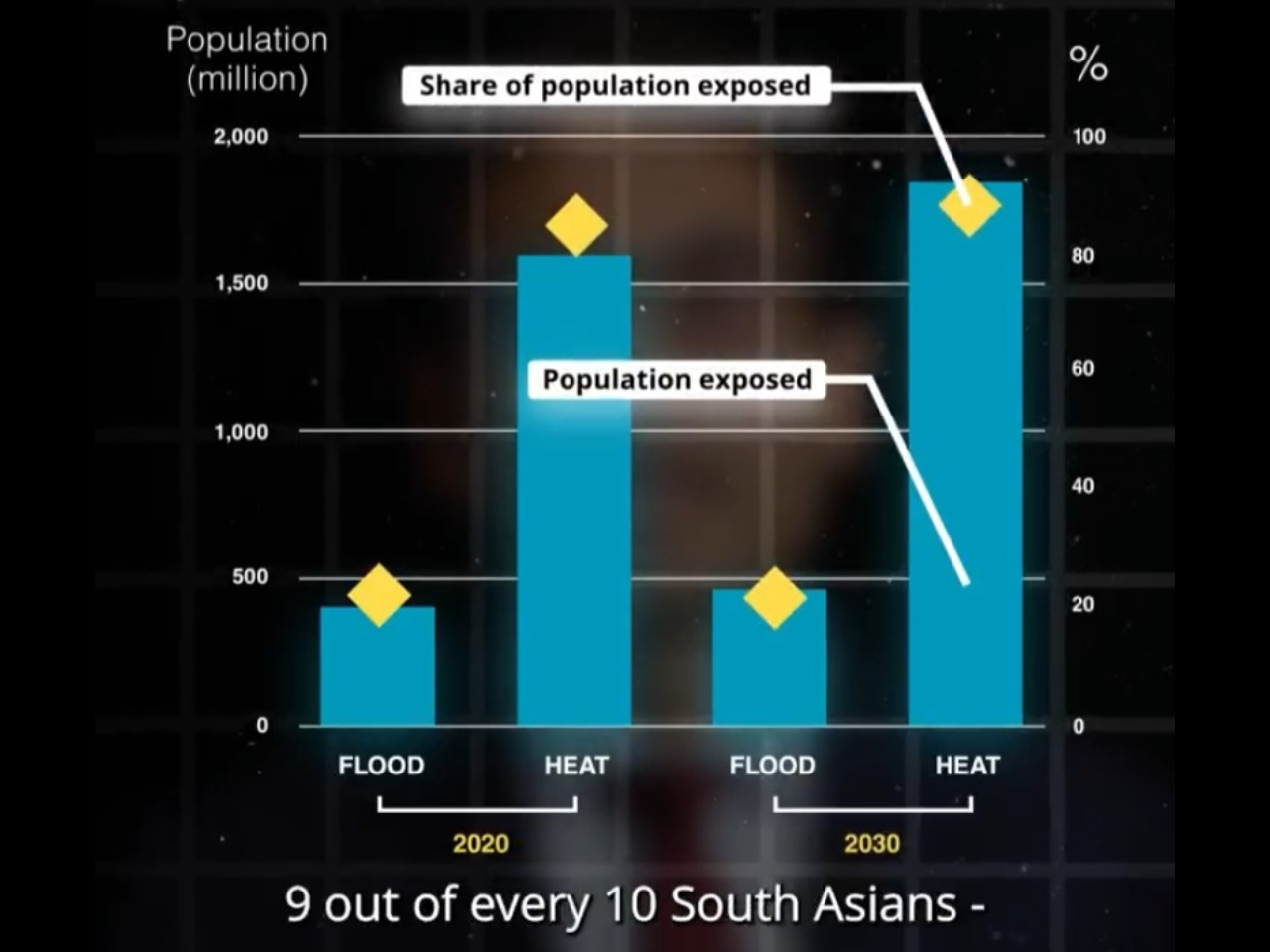
The area is already the most vulnerable to climate change among emerging and developing markets, and it is estimated that almost 90 percent of its population will be in danger of extreme heat by the year 2030. The exposure in urban context is also observed to be quite alarming: by 2030, 1.2 billion of the urban population (92 percent) is projected to be exposed to extreme heat, and 322 million (24 percent) will face flood risks.
EU's HOUS Committee Takes Bold Steps to Address Housing Crisis by 2026
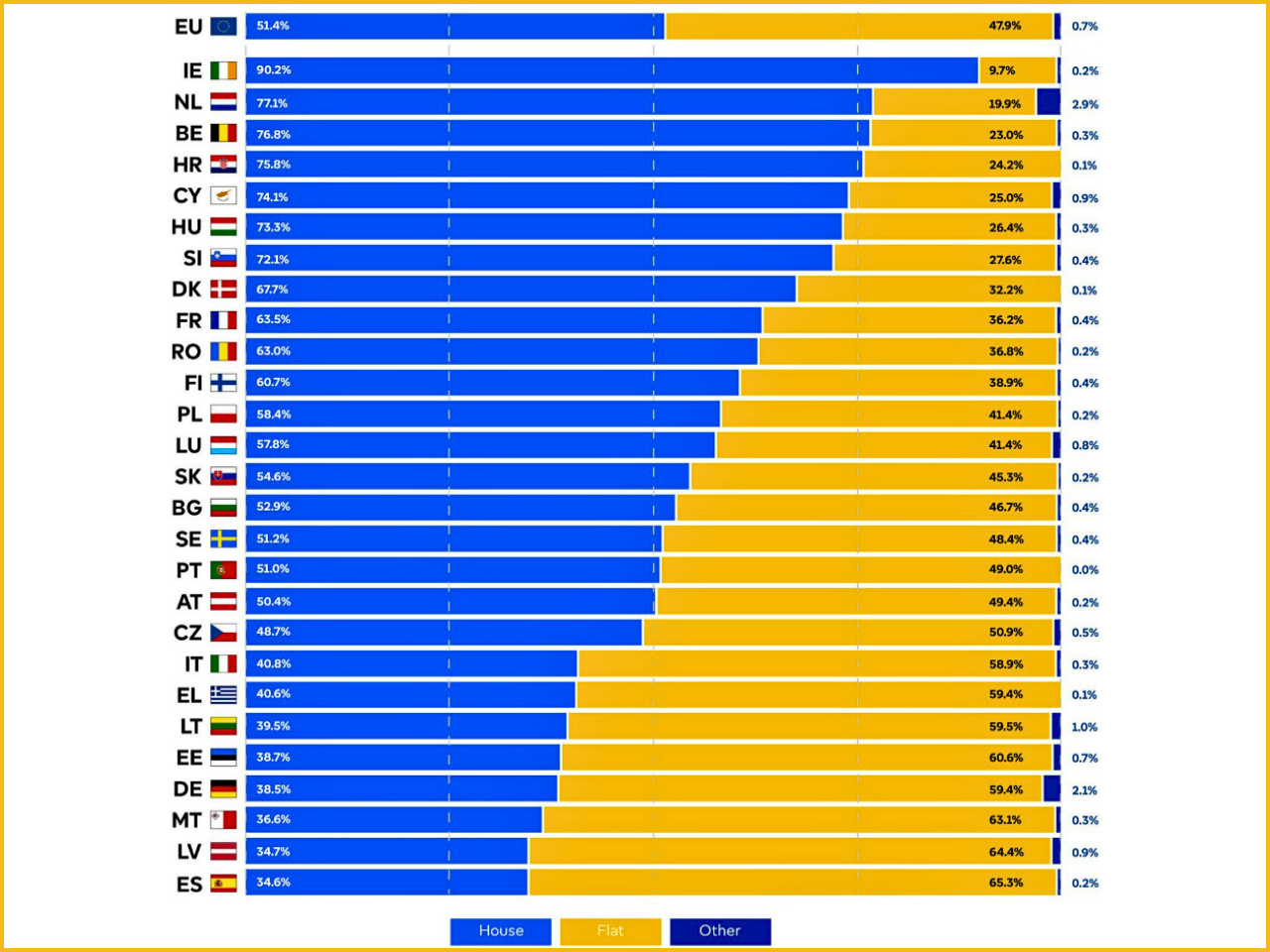
The European Parliament’s HOUS Committee (Housing Crisis in the EU) has a mandate to develop solutions for housing issues in the EU (affordable, sustainable, and decent) aimed at resolving these issues by 2026. The European Commission’s Joint Research Centre and Eurostat for meetings held in January 2026. These meetings have been very valuable in providing the members of the committee with an improved understanding of housing data and housing policy.
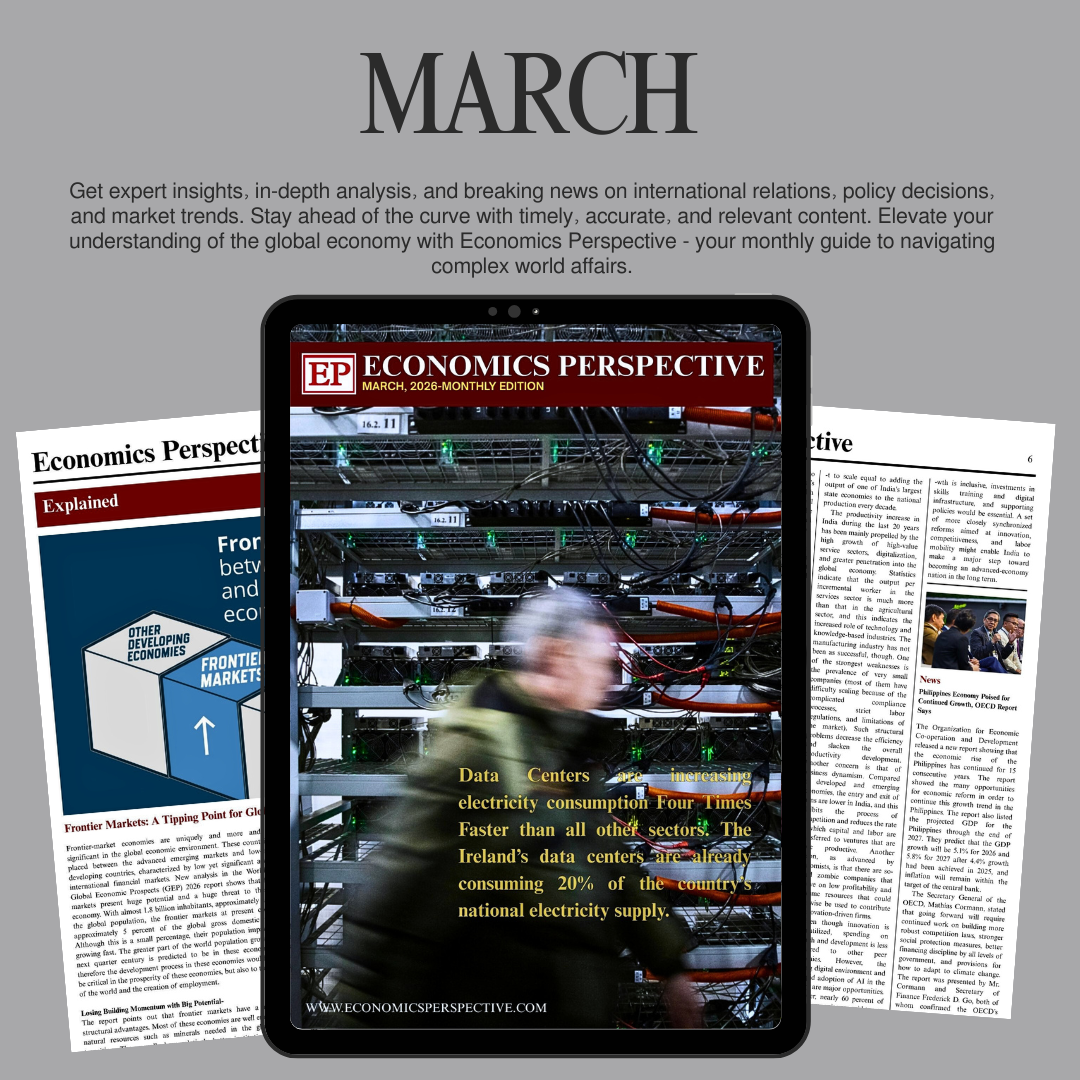
Monthly Edition
Latest Podcast



EP-Prime Membership