EU's Zero Pollution Action Plan: Aiming for a Toxic-Free Environment by 2050
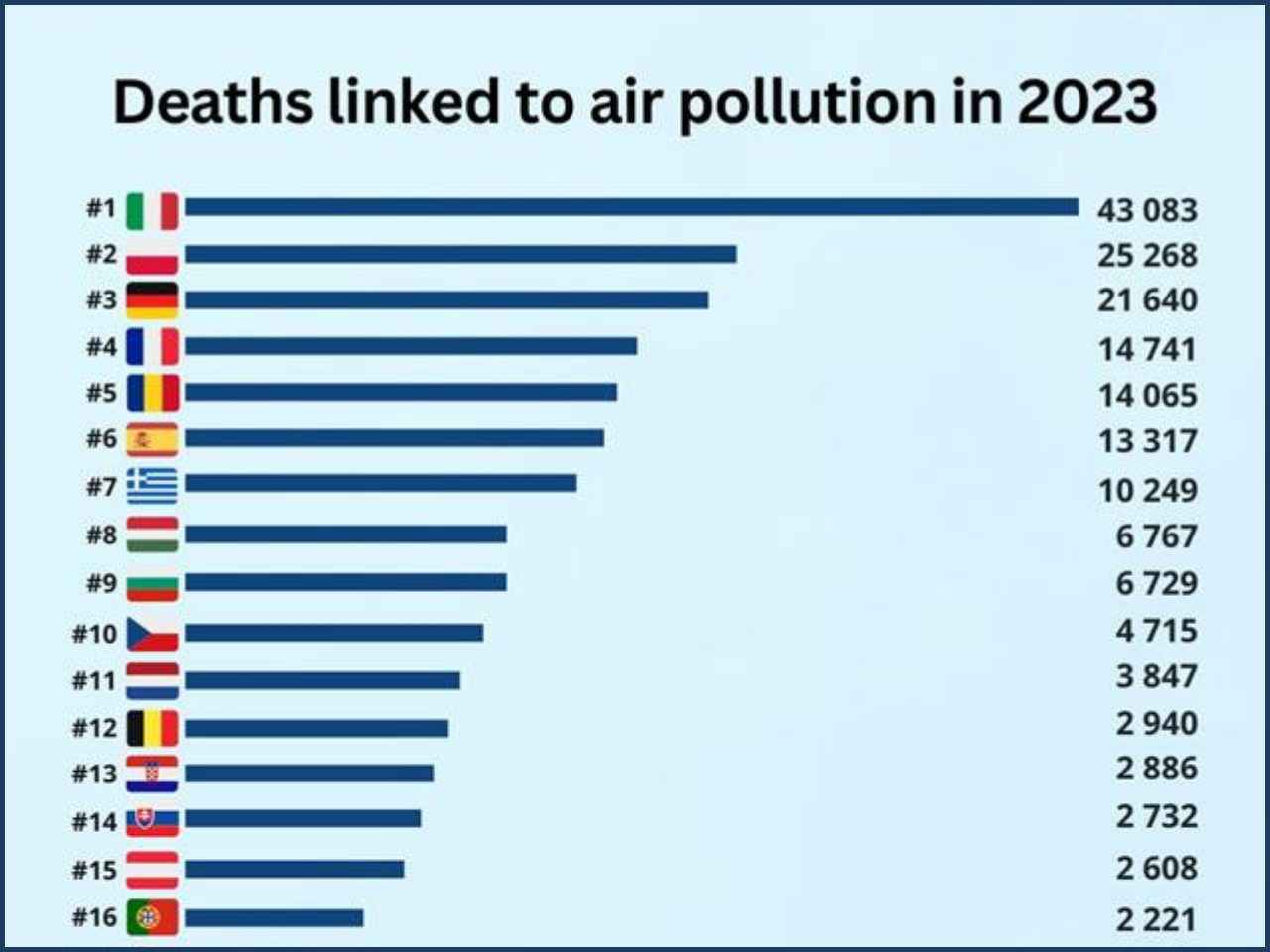
By 2050, the European Union’s “Zero Pollution Action Plan” will strive to achieve an environment without toxins by decreasing air, water, and soil pollution to levels that have no effect on human health or the ecosystems’ ability to function properly and provide vital services (e.g., storing carbon or filtering pollution). Pollution is associated with a large number of diseases and early deaths, and the loss of biodiversity and decreases ecosystems’ capacity to provide essential services. Given the urgency to act on public health, the environment, economies, and moral obligation, in May 2021, the EU adopted this plan as an integral component of its Green Deal, with a report to be issued in January 2026 as part of the plan’s mid-term review.
The plan includes significant targets for progress toward 2030, including a 55% decrease in premature deaths caused by air pollution; substantial reductions in plastic/microplastic pollution; reducing nutrient loss and the use of chemical pesticides by one-half; reducing threats to biodiversity caused by air pollution; lowering noise pollution from transportation; and drastically reducing waste generation and residual municipal solid waste. The Action Plan helps to promote pollution prevention or reduction throughout all EU policies, improves existing legislation where necessary, and identifies any policy gaps. It supports innovation through the use of digital solutions, investment, and international cooperation while building the EU’s leadership role for green and sustainable development. The EU monitors progress towards achieving the goals set out in the Action Plan via regular reporting, dashboards, and using various stakeholder platforms. The 2026 review will be a comprehensive overview of successes achieved, challenges yet to be overcome, and practical solutions in support of the EU’s goals for clean air, clean water, clean soil, and a healthier/fairer future for people and nature.
Latest News
Global Gas Market in Flux: Prices Diverging as LNG Trade Shifts
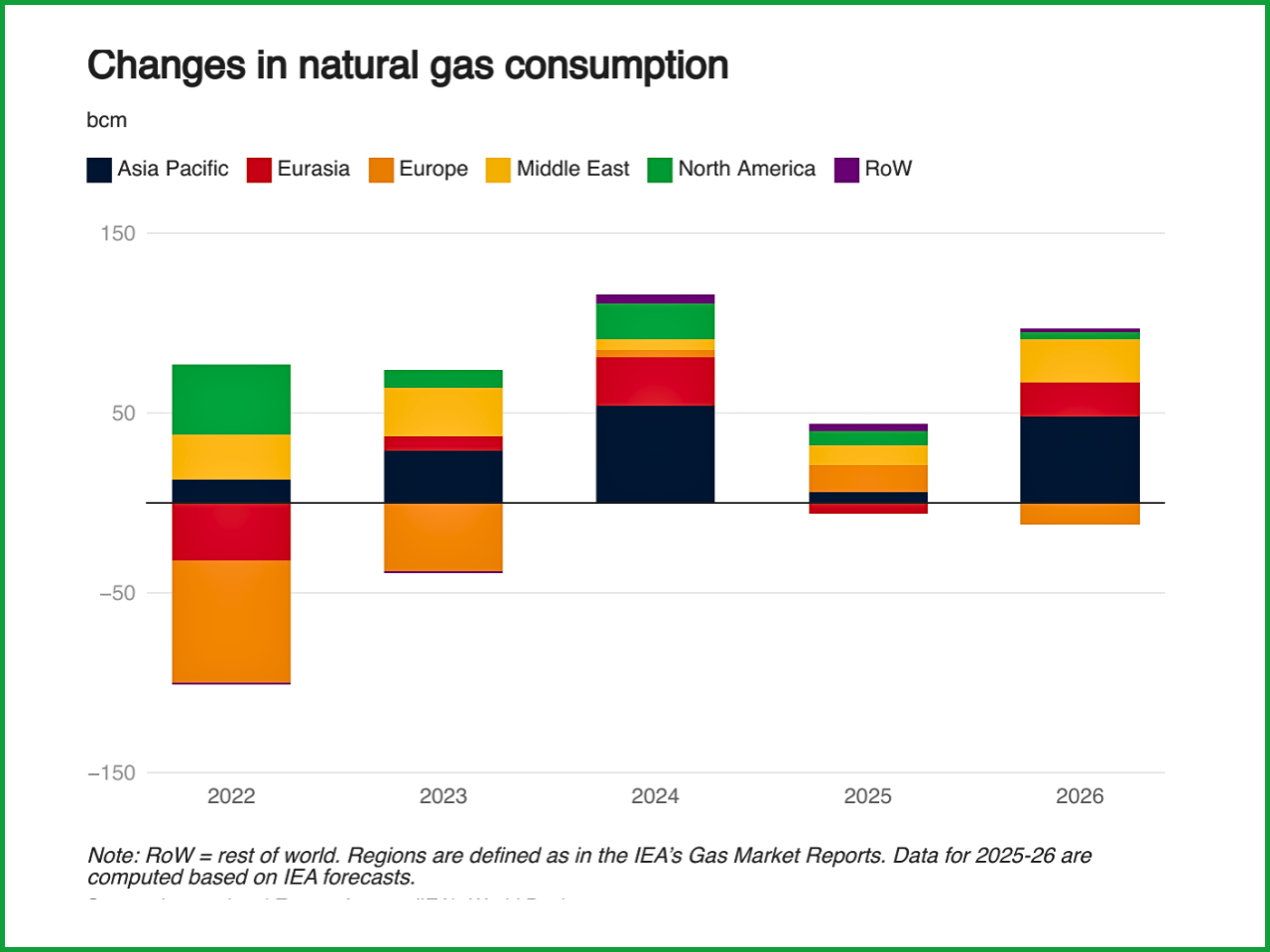
The World Bank’s gas price index went up slightly, but the trend in prices looks very different depending on where you live. In the United States, natural gas prices kicked up above $5/mmbtu for the first time in three years due to cold temperatures and, on top of other things, increased LNG shipping over to Europe. Throughout Europe, prices for natural gas fell again this week, reaching an all-time low since early 2024 based on declining demand and increasing volumes of LNG imports.
Pension Systems in Crisis: OECD Report Reveals Challenges and Opportunities for Reform
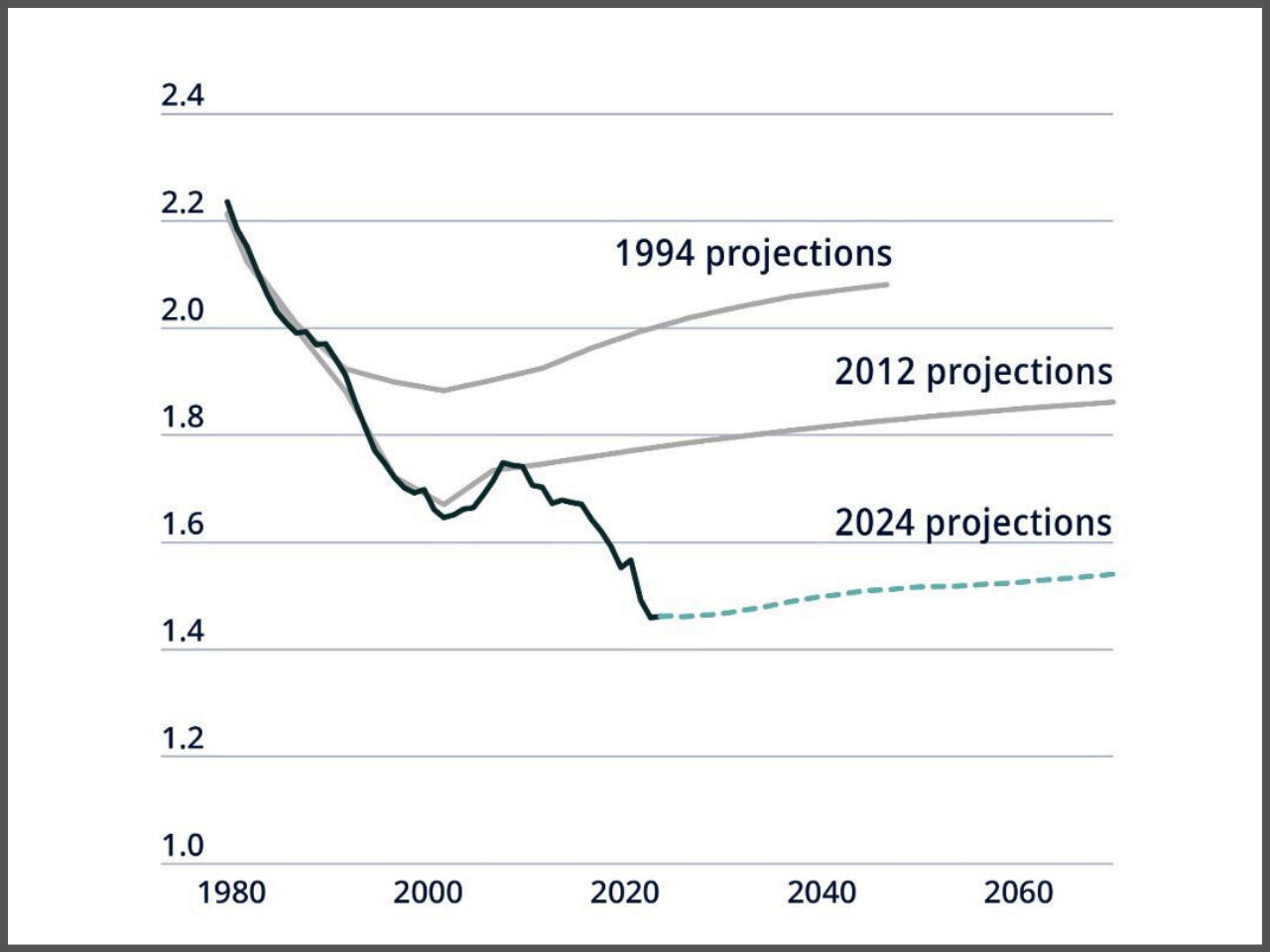
Pension payments offered to future workers are estimated to be about 63% of net wage earnings on average across the world, but there are significant variations between different countries. Women continue to receive monthly pension payments that are roughly 25% lower than the amounts received by men. Imbalances in employment availability for jobs, hours worked per week, or base salary are major contributors to the lifecycle earnings differentials that create the overall pension gap.
India's Economic Resilience: A Beacon of Hope in Turbulent Times
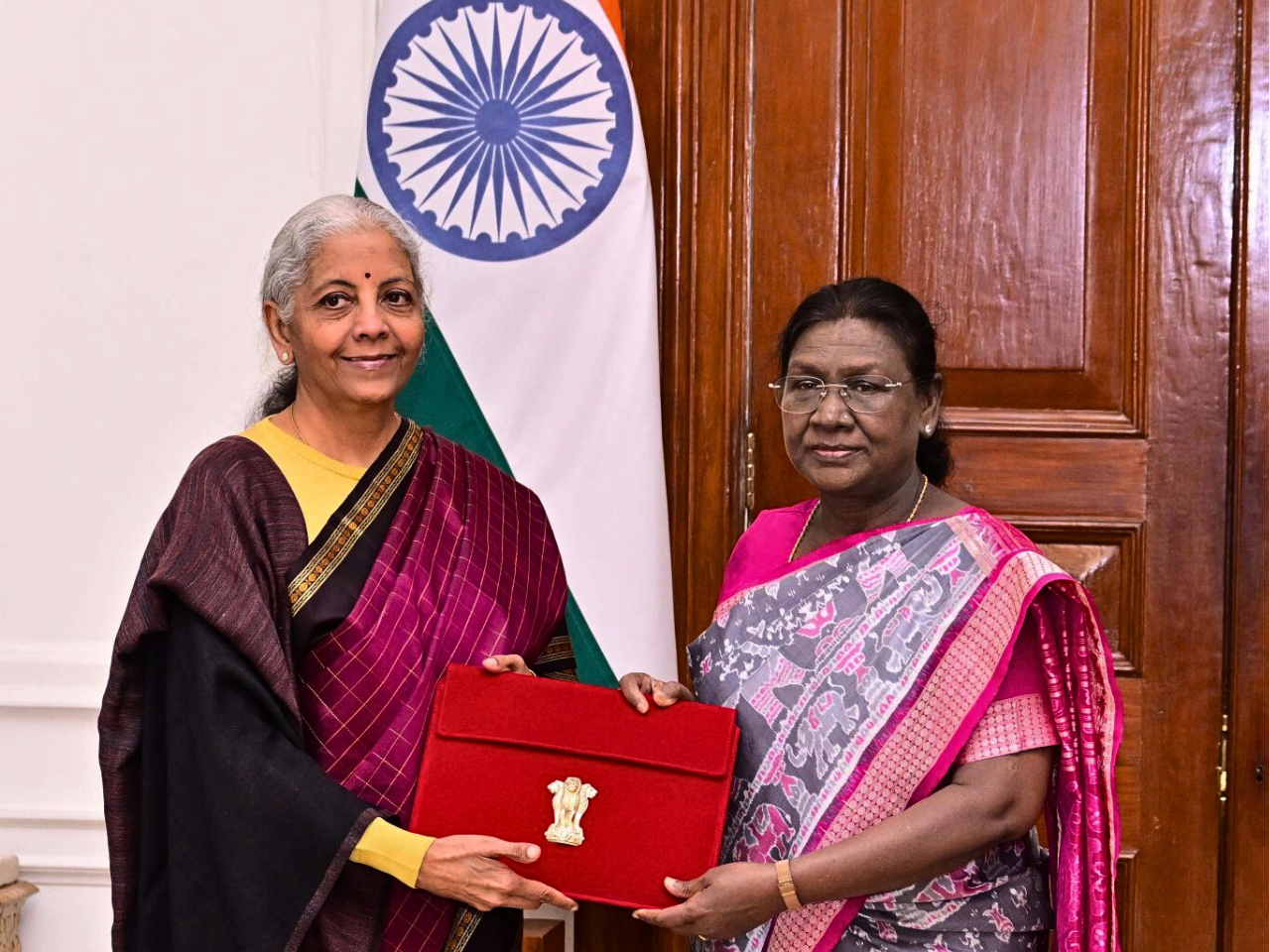
The Union Budget 2025-26 and the Economic Survey of India present a long-term economic plan that would enable the country to focus on internal development and make changes in the face of the unpredictable global world. The policy framework depicts a balance of fiscal discipline, structural reform, and increased involvement in international markets.
Breaking Down Barriers: How Canada Can Boost Productivity and Growth by Reducing Internal Trade Barriers
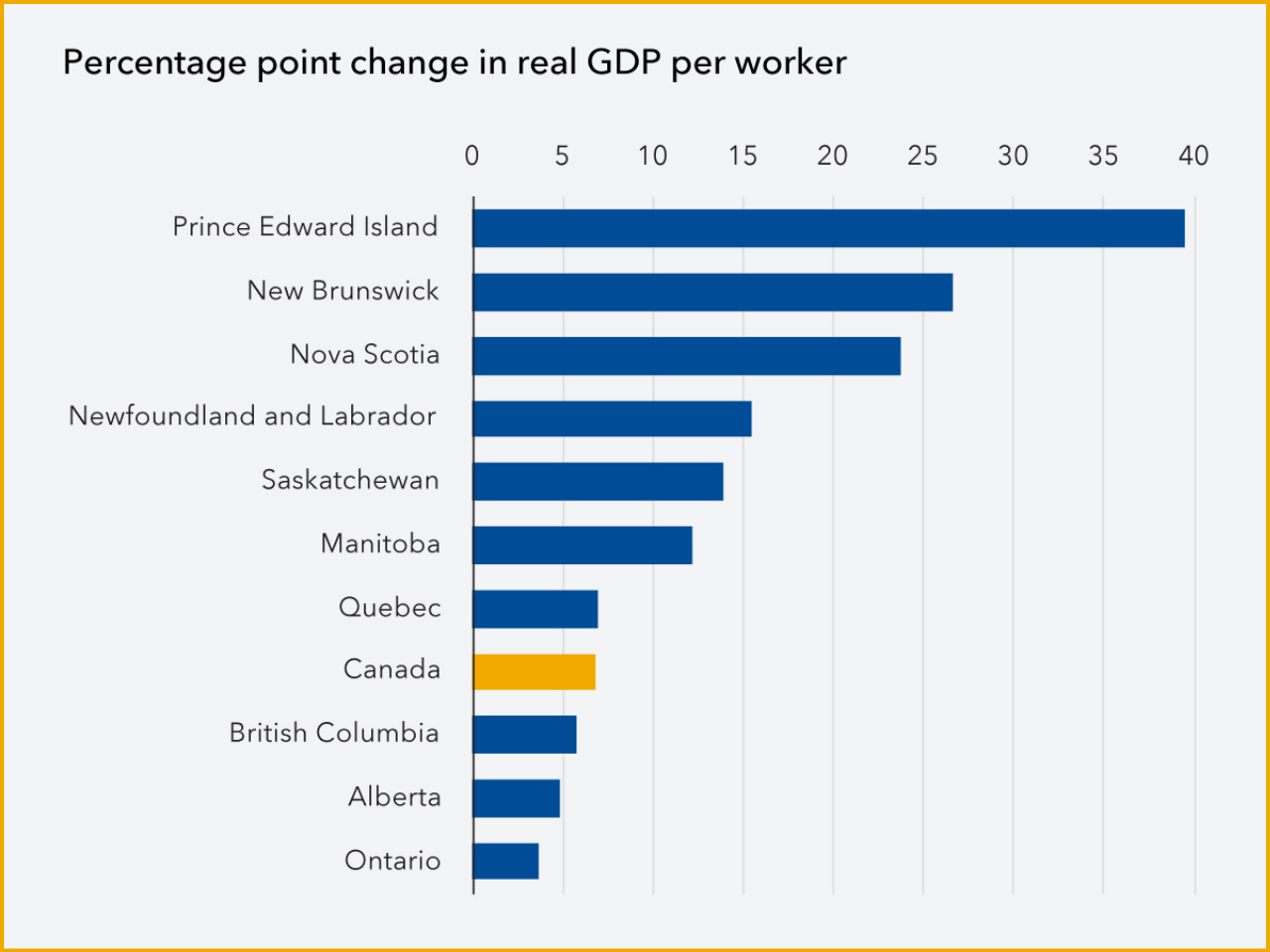
The Canada’s long-run real GDP would increase by an estimated 7%, representing an increase of approximately C$210 billion. Increasing the productivity of firms by removing these barriers would, in turn, stimulate economic development primarily through enhanced productivity, more efficient allocation of resources, increased competition among firms and improved firm growth versus demand increases in the short term.
EU Opens First Legal Gateway Office in India: A New Era for Talent Mobility and Trade
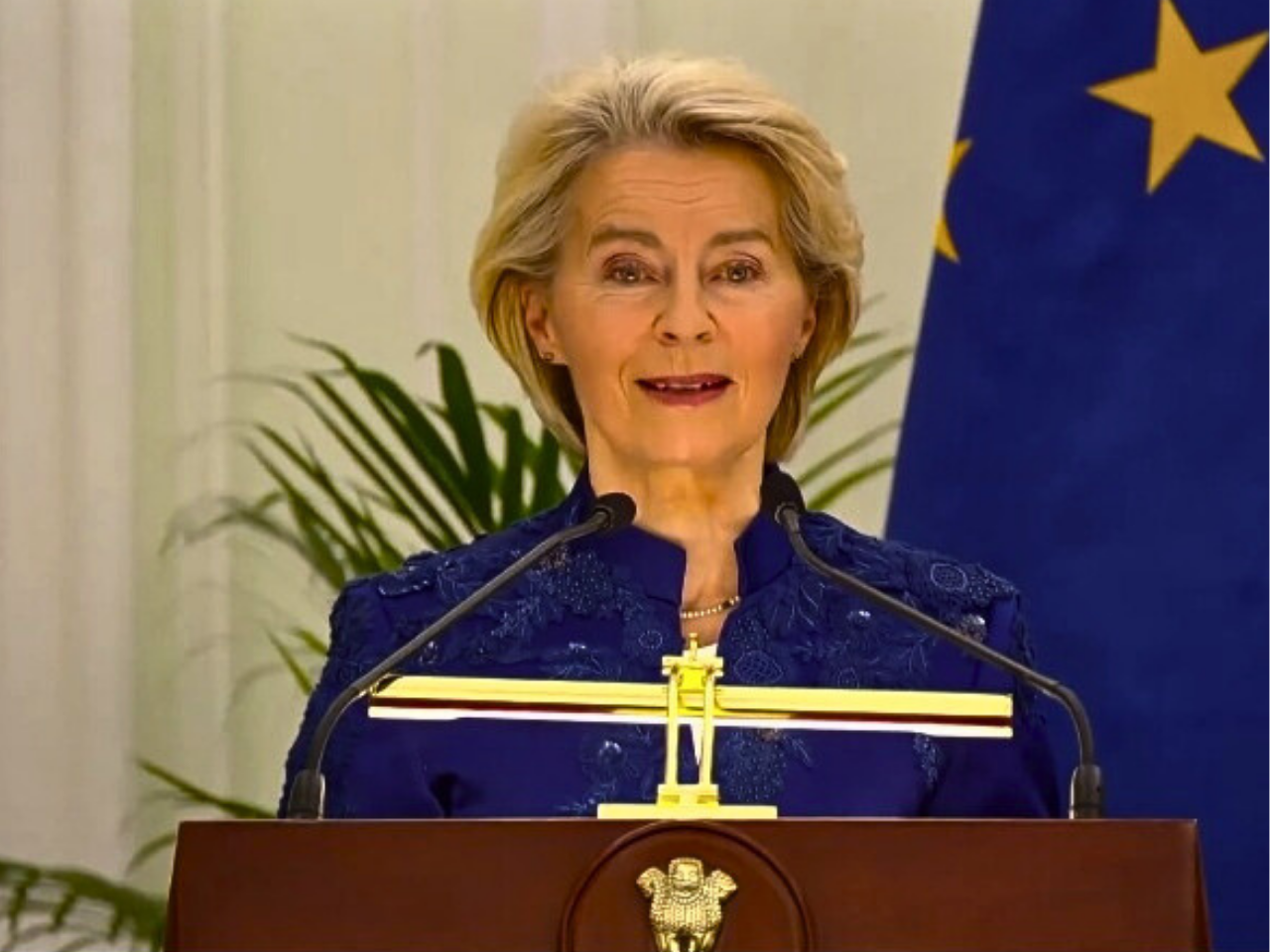
The long-awaited India-EU Free Trade Agreement (FTA) was finally signed, ending two decades of talks. European Commission President Ursula von der Leyen opined that the new office will serve as a single-stop shop to Indian students, professionals, researchers, and seasonal workers. The facility will unite visa data, mobility advice, and employer connections across Europe to streamline access to lawful migration routes and align with the labour-market needs and legal frameworks of specific EU member states.
Monthly Edition